
Evidence-based answers for women who want to understand what comes next.
Physician-authored education on menopause, metabolic health, GLP-1 therapy, hormones, muscle preservation, and longevity—written to replace confusion with clarity.
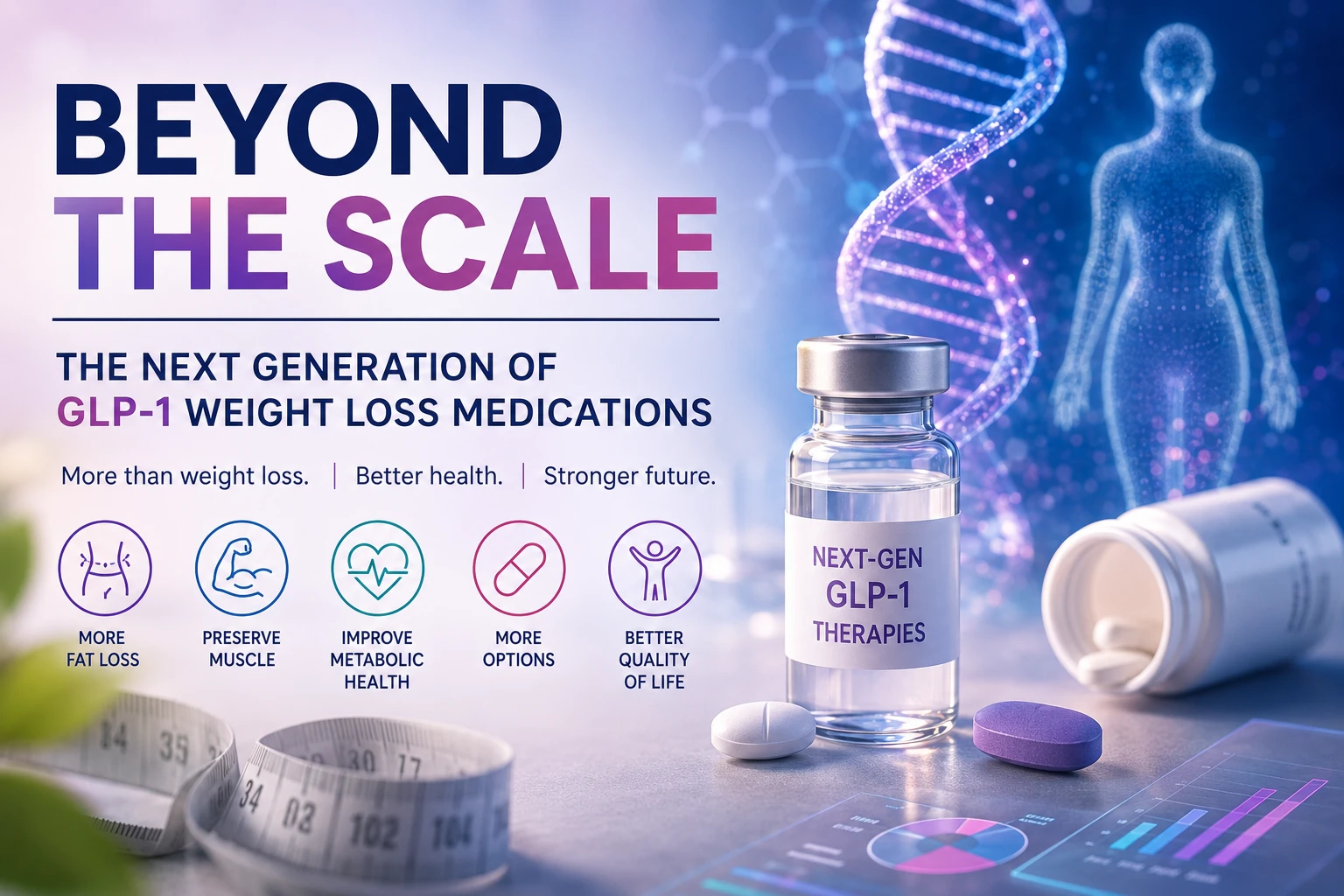
Beyond the Scale: The Next Generation of GLP-1 Weight Loss Medications
When most people hear the words GLP-1 medication, they immediately think of Ozempic®, Wegovy®, Zepbound®, or Mounjaro®. They think about appetite suppression, weight loss, and a smaller number on the scale.
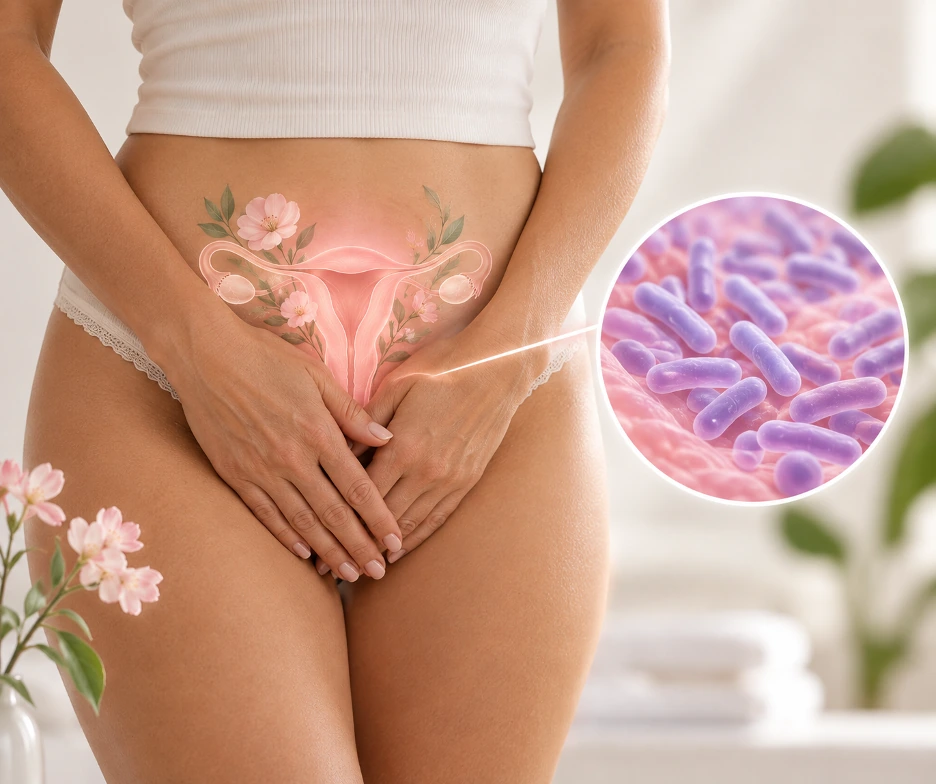
The Hidden Reason UTIs Keep Coming Back After Menopause
One of the most common misconceptions is that recurrent UTIs and bacterial vaginosis are some sort of “infection of the reproductive system” that can be treated with another round of antibiotics. In reality, these are hormonal conditions, and antibiotics only offer a temporary and limited form of relief.

Estradiol and the Brain: What Women Should Know About Menopause, Brain Fog, and Hormone Therapy
When women think about estrogen, they often think about periods, fertility, hot flashes, and menopause. But estradiol—the predominant form of estrogen during the reproductive years—does much more than regulate the reproductive system.
Sex After 40: The Answer Is About More Than Lube
Women over 40 are often given one remarkably simple piece of advice when sex becomes uncomfortable or less satisfying: use more lube. Lubrication can absolutely help. But if sex has changed during perimenopause or menopause, dryness may be only one piece of the puzzle.
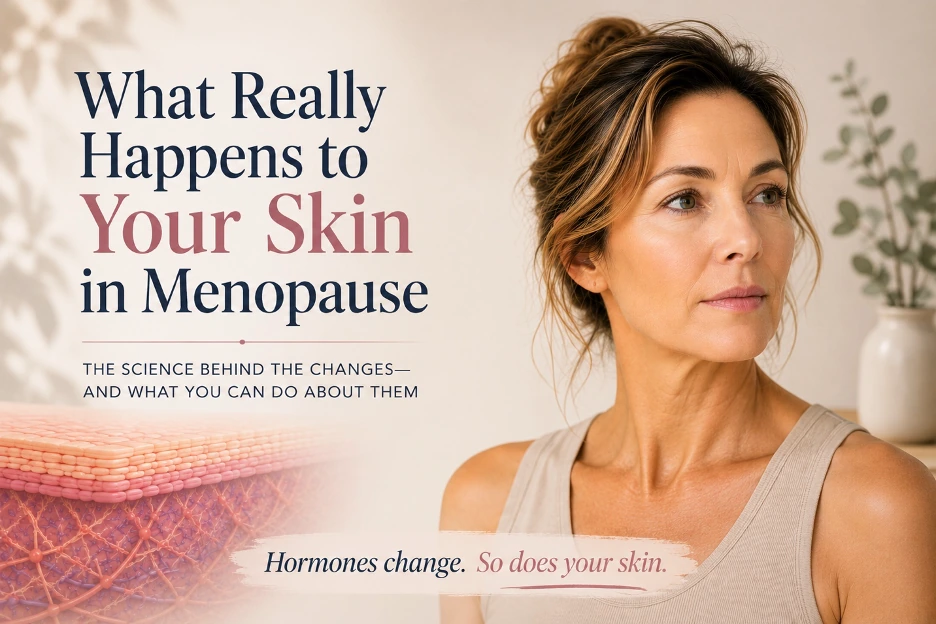
What Really Happens To Your Skin In Menopause
Women expect hot flashes, night sweats and changes in their periods during perimenopause. What many don’t expect is how much their skin can change.
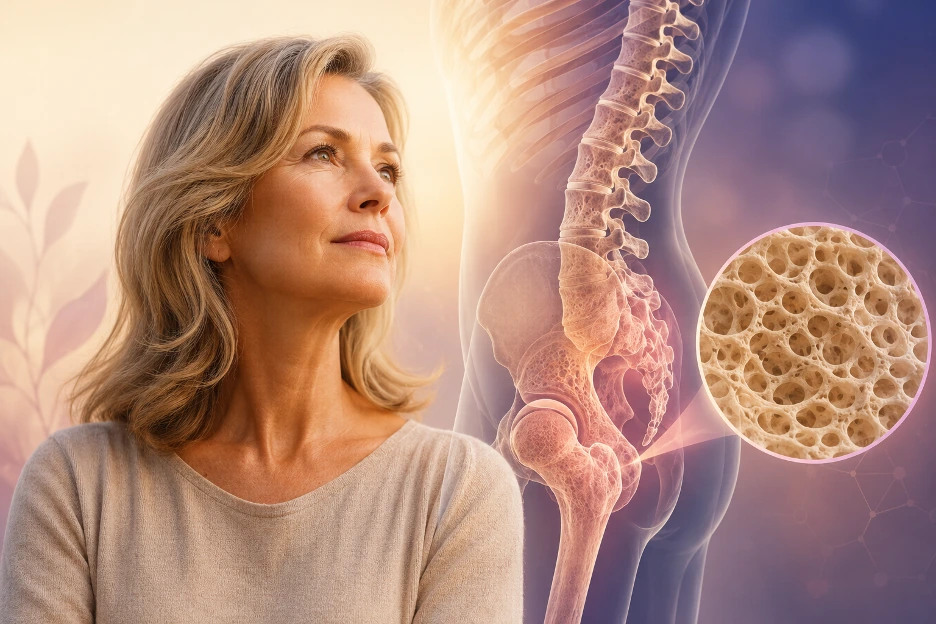
Menopause Is Changing Your Bones—Long Before You Feel It
Bone health is one of the most under-recognized problems of menopause. Most women are worried about hot flashes and weight gain.
The Menopause-ADHD Connection That No One Talks About
For decades, ADHD was thought of primarily as a disorder affecting young boys. We now know that’s far from the truth.
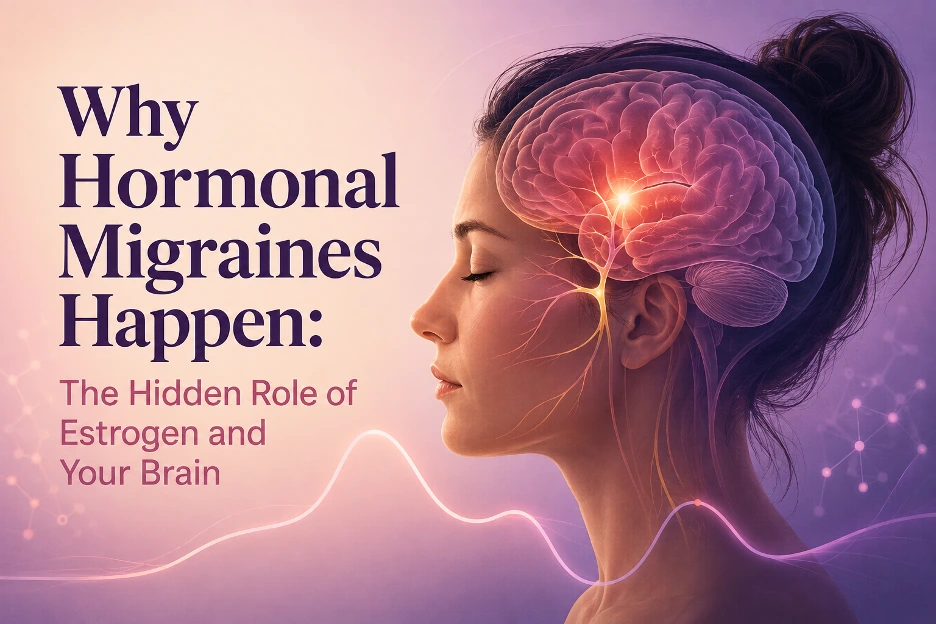
Why Hormonal Migraines Happen
If you’ve ever noticed that your migraines seem to worsen right before your period, during perimenopause, or after menopause, you’re not imagining it. For many women, migraines are deeply connected to changing hormone levels—particularly estrogen.
Does Hormone Therapy Protect Your Heart?
For many years, we were taught that hormone therapy was dangerous for the heart because of the initial Women’s Health Initiative study. However, what we’ve learned over the last two decades is that the story is much more nuanced.
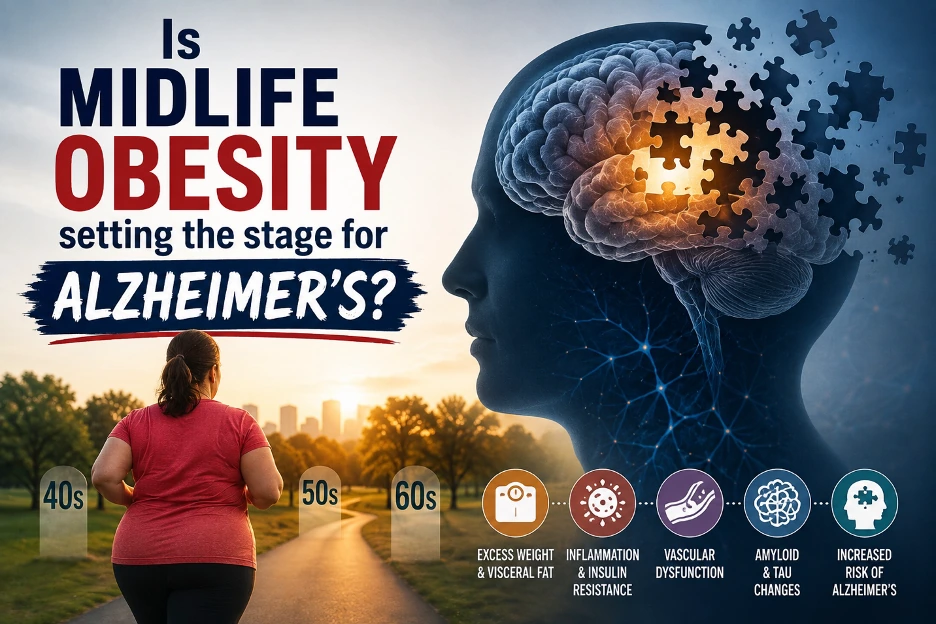
Is Midlife Obesity Setting the Stage for Alzheimer's?
While obesity has been associated with an increased risk of Alzheimer disease (AD), the causal nature of this relationship is often misconstrued by the popular media. There are multiple plausible biological mechanisms by which obesity may drive and worsen AD risk, but the magnitude of its impact is frequently overstated.
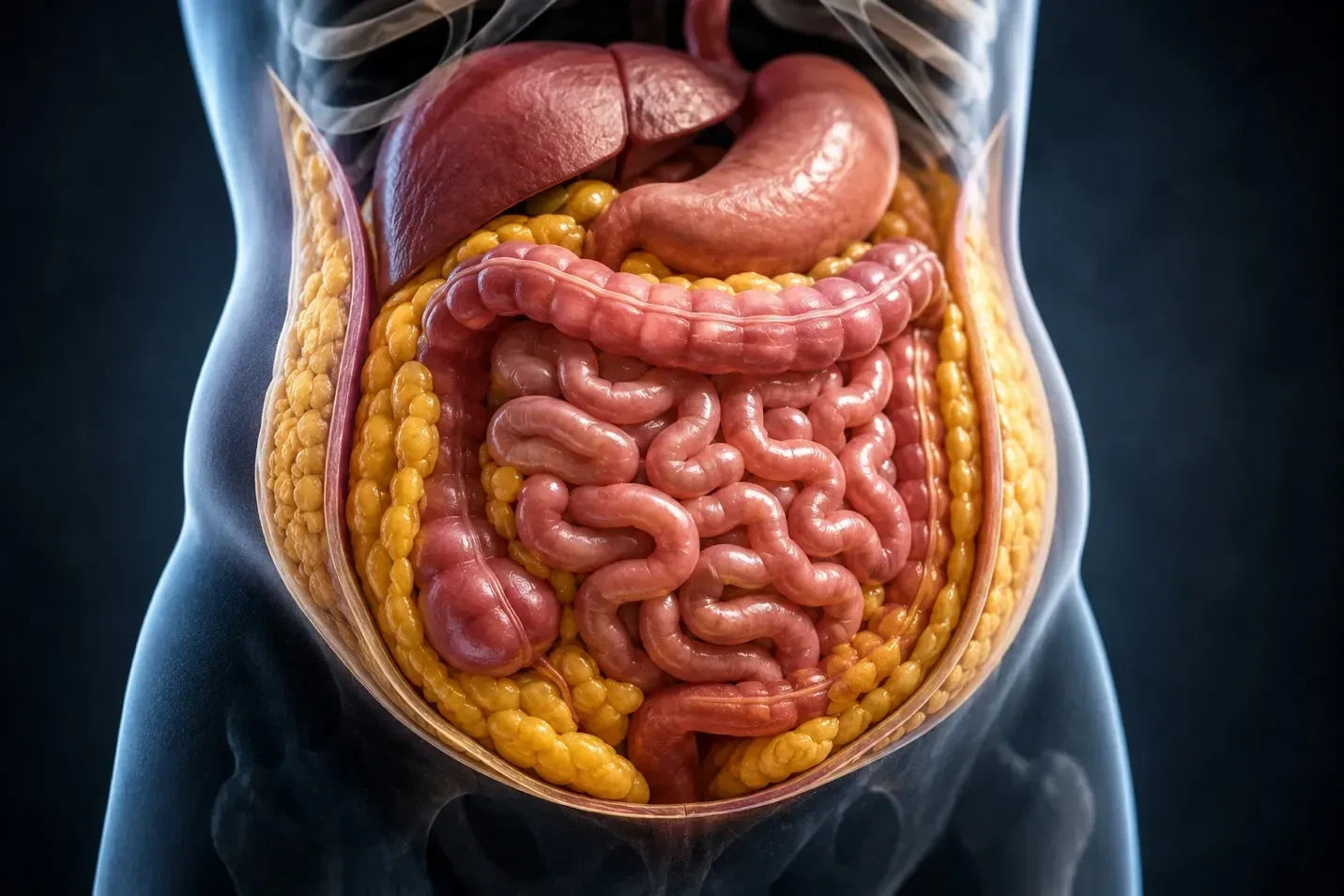
Visceral Fat: The Dangerous Bell Fat You Can’t See
When most people think about belly fat, they think about appearance. But from a medical perspective, the fat we can see is not necessarily the fat that concerns us most.

Making the Switch: Understanding GLP-1 Hopping
GLP-1 “hopping” has become one of the hottest topics in obesity medicine as more patients move between medications because of insurance changes, medication shortages, side effects, or the desire for greater weight loss. While switching from one GLP-1 medication to another may sound concerning, it’s actually a common part of clinical practice.
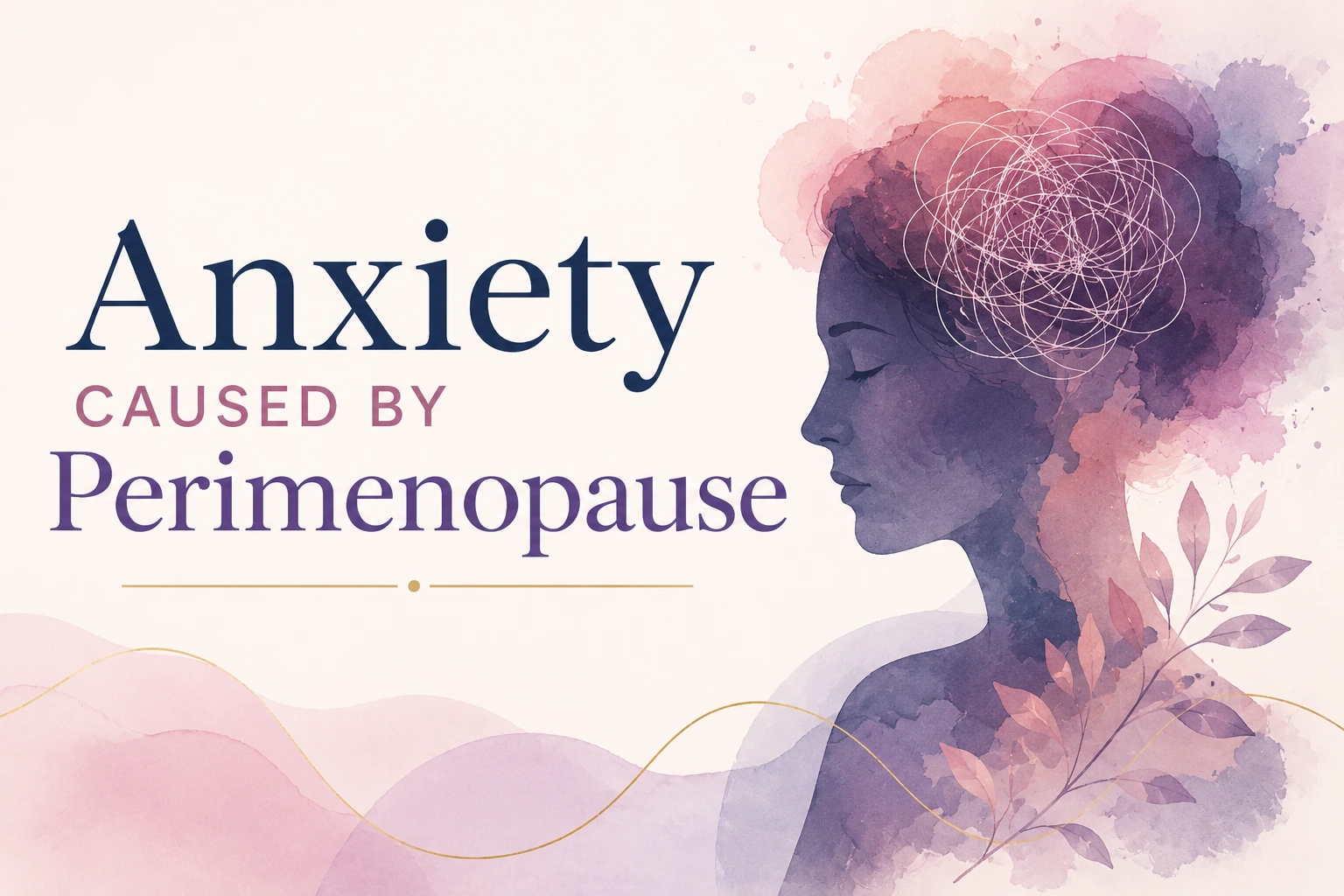
Is Your Anxiety Caused by Perimenopause?
“I’ve never had anxiety before. Why is this happening?”

How to Avoid Weight Regain After Stopping a GLP-1
One of the most common questions I hear in my obesity medicine practice is: “Am I going to gain all the weight back if I stop my GLP-1?”

"It Used to Taste Good..."
I was recently quoted by Yahoo Health about the growing phenomenon known as "meat ick" among patients taking GLP-1 medications. While the name is informal, the underlying biology is fascinating—and it may explain why patients tell me every week, "Food just doesn't taste the same anymore."
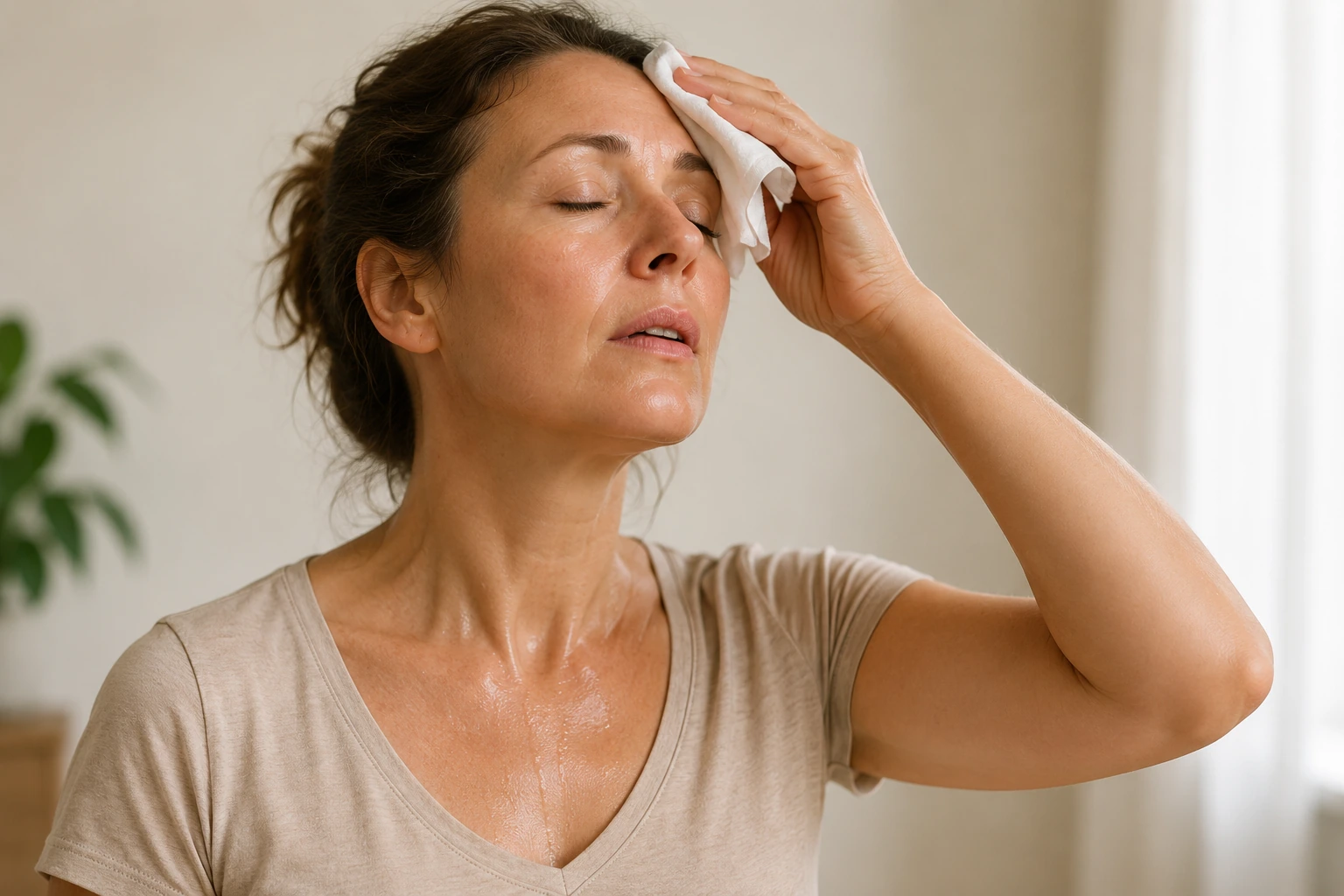
Why Am I Sweating So Much?
Sweating more during midlife is extremely common, but it’s not always due to hot flashes alone. Several physiologic changes occur during the perimenopausal/menopausal transition that can increase sweating both during the day and at night.
Education is the first step. A physician-guided plan is the next.
Explore evidence-based menopause, metabolic-health, and medical-weight-loss care through MedMethod Direct.