

One of the most common questions I hear in my obesity medicine practice is:
“Am I going to gain all the weight back if I stop my GLP-1?”
It’s a fair question—and one that deserves an honest answer.
The reality is that many people do regain weight after discontinuing medications like semaglutide (Ozempic®, Wegovy®) or tirzepatide (Mounjaro®, Zepbound®). Clinical studies have shown that without a long-term maintenance strategy, many patients regain a significant portion of the weight they lost after stopping treatment. But that doesn’t mean weight regain is inevitable.
The biggest mistake I see patients make is thinking of GLP-1 medications as the finish line rather than one tool in the lifelong management of obesity.
Obesity is not simply a matter of willpower. It is a chronic, relapsing disease influenced by complex interactions between the brain, hormones, metabolism, genetics, and the environment. GLP-1 medications temporarily help regulate many of these pathways by reducing hunger, increasing fullness, slowing stomach emptying, improving blood sugar regulation, and quieting the constant “food noise” that many patients struggle with every day.
When the medication is stopped, those biological effects gradually fade. Hunger often returns, cravings become stronger, and the body activates powerful mechanisms designed to restore the weight that was lost. This isn’t because someone suddenly became less motivated or lacked discipline—it’s because the body is programmed to defend its energy stores.
The good news is that there are evidence-based strategies that can dramatically improve your chances of maintaining your results.
Successful long-term weight management doesn’t begin after you stop your GLP-1—it begins before you stop. A well-designed maintenance plan should include adequate protein intake, resistance training, regular physical activity, healthy nutrition habits, ongoing follow-up with your healthcare team, and, for some individuals, a carefully planned medication transition.
In this article, we’ll explore why weight regain happens, what the latest research tells us, and—most importantly—the practical steps you can take to give yourself the best chance of maintaining your weight loss for years to come.
Why Weight Regain Happens: Understanding the Biology
To understand why weight regain is so common after stopping a GLP-1 medication, it’s important to first understand how these medications work.
GLP-1 receptor agonists mimic glucagon-like peptide-1 (GLP-1), a naturally occurring hormone released by specialized L cells in the intestines after we eat. This hormone plays a central role in regulating appetite, blood sugar, and energy balance.
GLP-1 receptors are found throughout the body, including the brain, gastrointestinal tract, pancreas, heart, kidneys, and other organs involved in metabolism. While many people think these medications simply suppress appetite, they actually work through several interconnected pathways.
In the brain, GLP-1 activates receptors in areas such as the hypothalamus and brainstem, which help regulate hunger and satiety. This decreases appetite, increases the feeling of fullness after meals, and often quiets what many patients describe as “food noise”—the constant thoughts about food, cravings, and urges to eat. Many patients tell me that for the first time in years, they no longer feel consumed by thoughts of food.
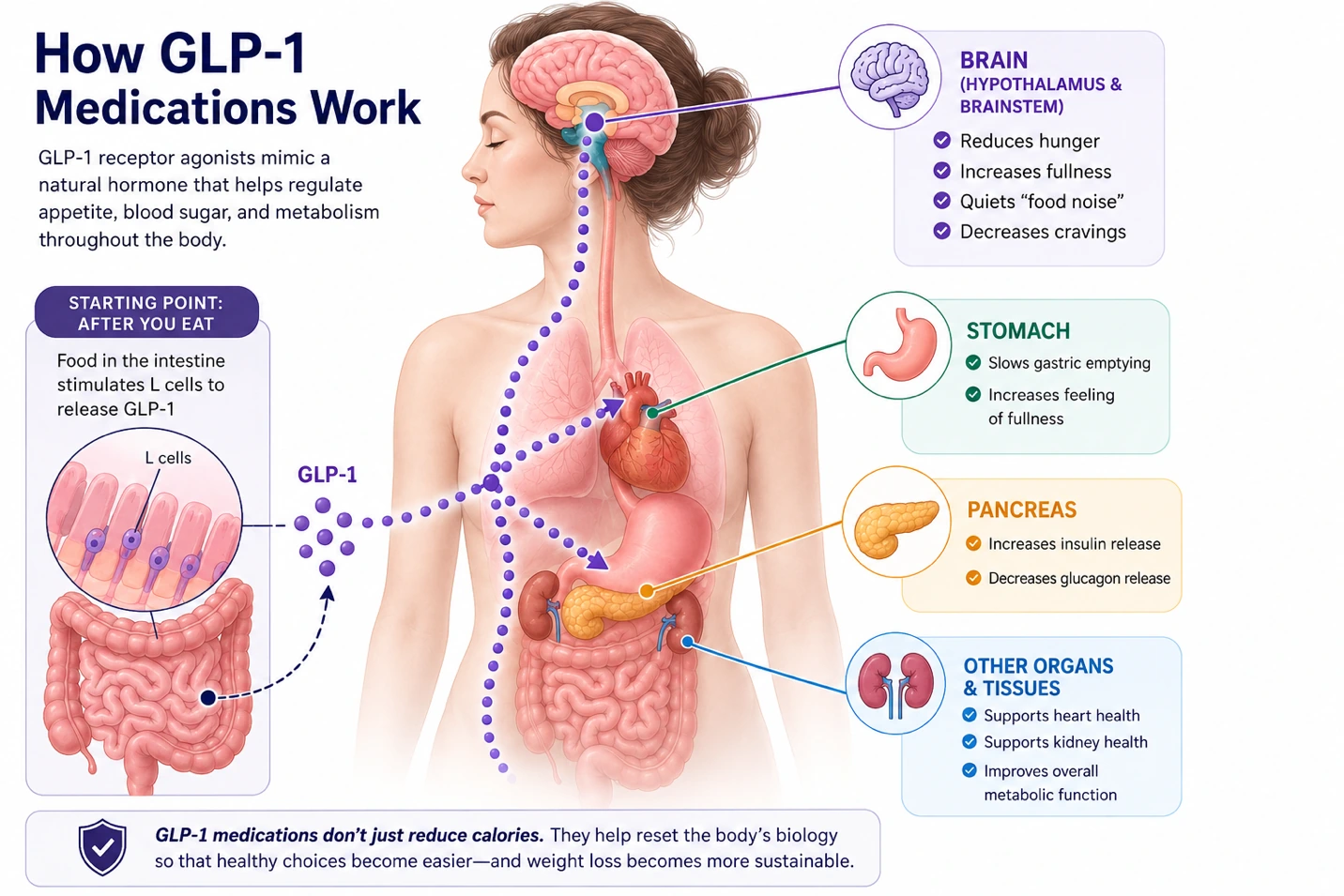
GLP-1 medications also influence the brain’s reward pathways, reducing the pleasure and drive associated with highly processed, calorie-dense foods. Patients frequently notice that foods they once craved simply become less appealing.
In the stomach, GLP-1 slows gastric emptying, allowing food to remain in the stomach longer. This prolongs feelings of fullness after eating and reduces hunger between meals. At the same time, GLP-1 stimulates insulin secretion and suppresses glucagon release, helping improve blood sugar control while also contributing to satiety.
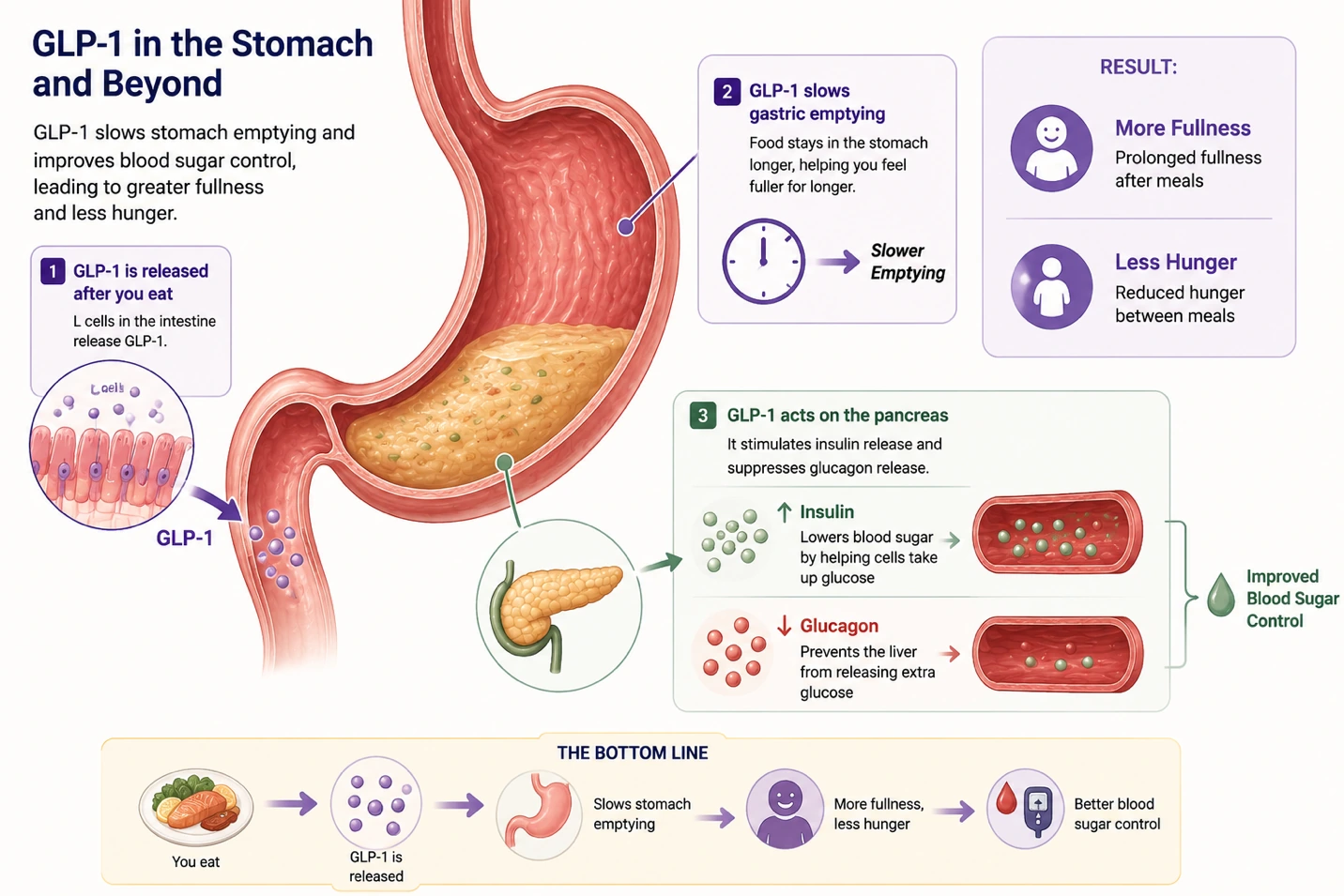
These combined effects explain why GLP-1 medications are so effective for both diabetes and obesity treatment. They are not simply reducing calories—they are temporarily changing many of the biological signals that regulate hunger, fullness, cravings, and metabolism.
The Body Fights Back
Weight loss, regardless of how it is achieved, triggers several natural defense mechanisms designed to restore lost weight.
One of the most important hormones involved is leptin, often referred to as the body’s satiety hormone. Leptin is produced by fat cells and signals to the brain that sufficient energy has been stored. As body fat decreases, leptin levels fall. Lower leptin levels tell the brain that energy stores are becoming depleted. In response, the brain increases hunger while simultaneously reducing energy expenditure in an effort to conserve calories. In other words, your body begins encouraging you to eat more while burning fewer calories.
Another hormone, ghrelin, often called the “hunger hormone,” tends to rise after weight loss. Elevated ghrelin increases appetite, intensifies hunger, and makes food appear more rewarding. Many people notice stronger cravings for sweets, snacks, and other highly palatable foods as these hormonal changes occur.
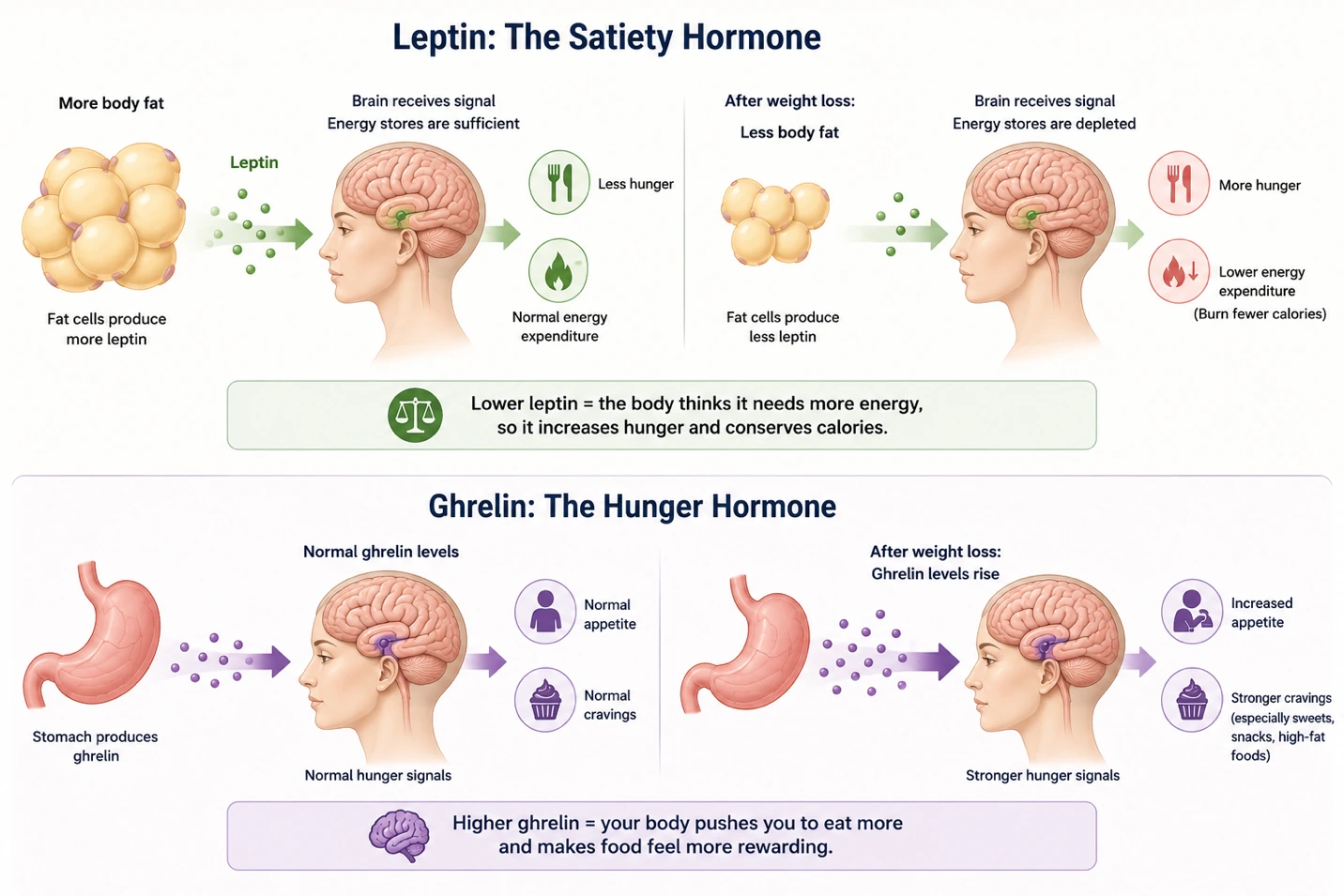
These physiologic responses are completely normal. They are part of the body’s evolutionary survival mechanisms that developed to protect us from starvation—not to help us maintain weight loss in today’s food environment.
When someone stops taking a GLP-1 medication, the medication’s effects gradually diminish. Hunger signals begin returning, cravings often increase, stomach emptying returns toward normal, and the body’s natural weight-defense mechanisms become more active. For many patients, it can feel as though their appetite has suddenly “come back.”
This is one of the reasons obesity is recognized as a chronic, relapsing disease rather than simply a lifestyle problem. The brain actively defends body weight through powerful hormonal and neurological pathways. GLP-1 medications help regulate these pathways while they are being taken, but they do not permanently reset them.
Understanding this biology is incredibly important because it changes the conversation. Weight regain after stopping a GLP-1 should not be viewed as a personal failure or a lack of willpower. Instead, it is an expected physiologic response that requires an equally thoughtful long-term management strategy.
What Does the Research Show?
Over the past several years, multiple clinical trials have reached a similar conclusion: GLP-1 medications are highly effective at helping patients lose weight, but maintaining that weight loss after stopping treatment can be challenging. Understanding these studies helps explain why developing a maintenance plan before discontinuing medication is so important.
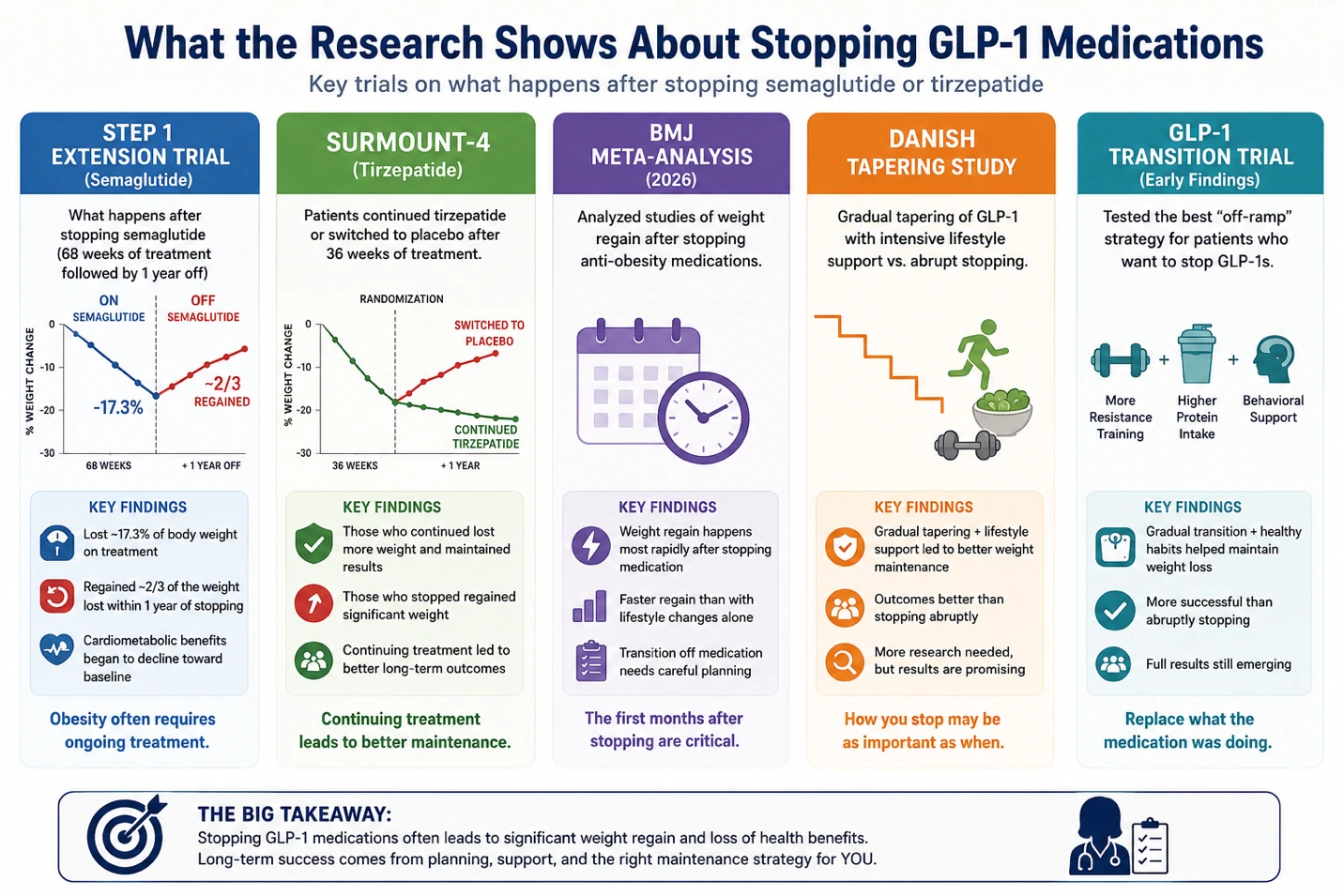
STEP 1 Extension Trial: What Happens After Stopping Semaglutide?
One of the landmark studies in obesity medicine was the STEP 1 Extension Trial, which followed participants after they discontinued semaglutide.
During the original trial, participants achieved an average weight loss of approximately 17.3% of their body weight after 68 weeks of treatment. However, after stopping semaglutide, participants regained approximately two-thirds of the weight they had lost within one year. Their cardiometabolic improvements—including blood pressure, cholesterol, blood sugar, and inflammatory markers—also began to decline toward baseline.
This study fundamentally changed how obesity specialists think about GLP-1 medications. Rather than viewing them as a temporary weight-loss tool, it highlighted that obesity often requires ongoing treatment and long-term management, much like hypertension or diabetes.
SURMOUNT-4: Continuing Treatment Matters
The SURMOUNT-4 trial examined what happened when patients taking tirzepatide either continued treatment or switched to placebo.
Participants first completed a 36-week lead-in period with tirzepatide, achieving substantial weight loss. They were then randomly assigned to either continue the medication or stop it.
The results were striking.
Patients who continued tirzepatide lost additional weight and maintained their progress, while those who discontinued treatment experienced significant weight regain over the following year.
Although not every participant regained all of their lost weight, the study reinforced an important principle: for many individuals, obesity treatment works best when it is continued rather than abruptly discontinued.
The BMJ Meta-analysis: Weight Regain Happens Quickly
A 2026 meta-analysis published in the BMJ evaluated weight regain after discontinuation of anti-obesity medications.
One of the most important findings was that weight regain occurs most rapidly after stopping medication, often much faster than the gradual regain seen after lifestyle interventions alone.
This tells us that the transition off a GLP-1 deserves careful planning. Patients should not assume that healthy habits alone will immediately compensate for the return of powerful biological hunger signals.
The Danish Tapering Study: Is There a Better Way?
Not all of the research has focused on simply stopping treatment.
Researchers in Denmark explored whether gradually tapering GLP-1 therapy while providing intensive lifestyle support could improve long-term outcomes.
Their findings suggested that patients who slowly reduced their medication while continuing nutrition counseling, exercise, and behavioral support maintained their weight more successfully than many patients who stopped treatment abruptly.
Although additional research is still needed, these results suggest that how you stop a GLP-1 may be just as important as when you stop it.
The GLP-1 Transition Trial
Another area of growing interest is identifying the best “off-ramp” strategy for patients who wish to discontinue treatment.
Early findings from the GLP-1 Transition Trial suggest that patients who gradually transitioned off their medication while simultaneously increasing resistance training, prioritizing protein intake, and receiving ongoing behavioral support were more successful at maintaining their weight than those who simply stopped treatment.
While the full results are still emerging, the message is consistent with what obesity specialists have observed in clinical practice for years: successful weight maintenance requires replacing the work that the medication was doing with sustainable lifestyle strategies and, in some cases, additional medical support.
What This Means for Patients
One of the biggest misconceptions surrounding GLP-1 medications is that reaching your goal weight means the journey is over.
In reality, weight loss and weight maintenance are two different phases of treatment.
Losing weight is only the first step.
Maintaining that weight loss requires protecting the muscle you’ve built, continuing healthy nutrition and physical activity, monitoring for early signs of weight regain, and working closely with your healthcare team to adjust your plan as your body’s needs change.
The research doesn’t suggest that patients should never stop GLP-1 medications. Rather, it tells us that stopping treatment without a maintenance strategy significantly increases the likelihood of weight regain.
Just as we wouldn’t expect someone’s blood pressure to remain controlled indefinitely after stopping blood pressure medication, we shouldn’t expect obesity to remain fully treated once medication is withdrawn. Obesity is a chronic disease, and long-term success depends on long-term management—not simply reaching a number on the scale.
How to Prevent Weight Regain: A Physician’s Maintenance Plan
One of the biggest misconceptions about GLP-1 medications is that once you’ve reached your goal weight, your work is done.
In reality, reaching your goal weight is simply the transition from the weight loss phase to the weight maintenance phase. These are two very different stages of treatment that require different strategies and goals.
When patients ask me how to avoid regaining weight after stopping a GLP-1, my answer is always the same:
Have a maintenance plan before you stop the medication.
The absolute worst thing someone can do is stop their medication abruptly and hope they can maintain their weight loss through willpower alone. As the medication leaves your system, hunger hormones begin returning, food cravings increase, and the biological mechanisms that defend your previous weight become active again.
Instead, your maintenance plan should already be in place before your last injection.
Here are the strategies I discuss with my patients.
1. Don’t Stop Your GLP-1 Without a Plan
Many people think of GLP-1 medications as a temporary treatment that they can stop once they reach their goal weight.
While some patients may eventually be able to discontinue therapy successfully, doing so without a structured plan often leads to rapid weight regain.
Before stopping your medication, have a conversation with your healthcare provider about the best transition strategy for your individual situation. Depending on your medical history and risk factors, that may include gradually tapering your medication, extending the interval between doses, remaining on a low maintenance dose, or transitioning to another evidence-based obesity medication.
The goal isn’t simply to stop taking medication—it’s to maintain the metabolic improvements you’ve worked so hard to achieve.
2. Prioritize Protein at Every Meal
One of the most overlooked aspects of long-term weight maintenance is adequate protein intake.
Protein plays several important roles after weight loss. It helps preserve lean muscle mass, increases satiety, supports metabolism, and can make it easier to maintain a calorie balance without feeling constantly hungry.
Protein requirements vary based on age, body size, activity level, and medical conditions, but for many adults I recommend aiming for approximately 25–35 grams of protein per meal, with adjustments made based on the individual.
Rather than building your meals around carbohydrates, try starting with your protein source first. Once you’ve met your protein goal, fill the rest of your plate with fiber-rich vegetables, followed by healthy fats and appropriately portioned carbohydrates.
3. Resistance Training Is Essential
If there is one recommendation I wish every patient followed while taking a GLP-1 medication, it would be resistance training.
Weight loss doesn’t just reduce body fat—it also results in some loss of lean muscle mass. Muscle is metabolically active tissue and plays an important role in maintaining your resting metabolic rate, strength, balance, and overall health.
If you stop your GLP-1 after losing a significant amount of muscle, maintaining your weight becomes much more difficult.
Resistance training helps preserve and rebuild lean muscle mass while supporting long-term metabolic health.
I generally recommend performing resistance training at least two to three times per week, using progressive overload as tolerated. This doesn’t necessarily mean lifting extremely heavy weights. Bodyweight exercises, resistance bands, machines, or free weights can all be effective when performed consistently.
This recommendation is particularly important for midlife and menopausal women, who are already at increased risk for sarcopenia and osteoporosis.
4. Don’t Forget About Cardiovascular Exercise
While resistance training should be the foundation of your exercise program, cardiovascular exercise remains an important part of long-term weight maintenance.
Walking, cycling, swimming, jogging, or other aerobic activities improve cardiovascular health, insulin sensitivity, endurance, and overall calorie expenditure.
The best exercise is ultimately the one you enjoy enough to continue long term.
Consistency will always outperform perfection.
5. Build Meals Around Protein and Fiber
Nutrition after stopping a GLP-1 isn’t about following a restrictive diet—it’s about creating meals that naturally help control hunger.
Protein and fiber are your two greatest allies.
Fiber slows digestion, helps regulate blood sugar, increases fullness, and supports a healthy gut microbiome. I encourage patients to aim for approximately 30 grams of fiber per day from whole-food sources such as vegetables, fruits, legumes, beans, and whole grains.
One strategy I often recommend is eating your meals in this order:
- Start with your protein.
- Next, eat your vegetables or other fiber-rich foods.
- Then finish with your carbohydrates and healthy fats.
This simple approach often improves satiety and helps prevent overeating without requiring patients to meticulously count every calorie.
6. Maintain Structure
One of the biggest challenges patients face after stopping a GLP-1 is the return of appetite.
Without a plan, it’s easy to slip back into skipping meals during the day, overeating at night, grazing between meals, or relying on convenience foods.
Instead, I encourage patients to maintain a consistent meal schedule with planned meals and snacks when appropriate.
Structure removes many of the decisions that become more difficult once hunger returns.
7. Sleep and Hydration Matter More Than People Realize
Sleep deprivation increases hunger hormones, decreases satiety hormones, and can significantly increase cravings for highly processed foods.
Aim for seven to nine hours of quality sleep whenever possible.
Hydration is equally important. Mild dehydration is often mistaken for hunger, leading people to eat when they are actually thirsty. Drinking adequate water throughout the day can help reduce unnecessary snacking and support overall metabolic health.
8. Monitor Your Weight Regularly
Many people avoid the scale after losing weight because they’re afraid of what they might see.
I encourage the opposite.
Regular weight monitoring allows you to recognize small changes before they become major setbacks.
A two- or three-pound increase is much easier to address than a thirty-pound regain.
I often recommend patients weigh themselves consistently—whether that’s weekly or several times per week—and look for trends rather than becoming fixated on normal day-to-day fluctuations.
One strategy I frequently use in clinical practice is a 5% rule. If a patient regains approximately 5% of their lowest weight, it’s time to check in with their healthcare team and adjust the maintenance plan before further weight regain occurs.
9. Continue Following Up With Your Healthcare Team
Stopping your medication does not mean your obesity treatment has ended.
Obesity is a chronic disease that requires ongoing management, monitoring, and adjustments over time.
Regular follow-up appointments allow your healthcare provider to assess weight trends, appetite, cravings, lean muscle mass, blood sugar, laboratory values, sleep, physical activity, and other factors that influence long-term success.
The earlier changes are recognized, the easier they are to address.
Maintenance Is Not About Perfection
Many patients believe that regaining a few pounds means they’ve failed.
I strongly disagree.
Long-term weight maintenance is rarely a straight line. Small fluctuations are completely normal.
The goal isn’t perfection—it’s recognizing changes early and making thoughtful adjustments before small setbacks become major ones.
The most successful patients aren’t necessarily the ones who never regain a pound. They’re the ones who understand that maintenance is an active process and who continue using the same healthy habits that helped them lose the weight in the first place.
Can Tapering Help?
One of the most common questions I hear is whether patients should stop a GLP-1 medication abruptly or gradually taper off.
The honest answer is that we don’t yet have enough high-quality evidence to recommend one approach for everyone, but emerging research suggests that tapering may help some patients maintain their weight loss more successfully than stopping suddenly.
Think of tapering as more than simply lowering the dose of your medication. The goal is to gradually transfer the work of weight maintenance from the medication back to your body’s metabolic and behavioral systems.
During this transition, patients have time to strengthen the habits that will ultimately determine their long-term success, including resistance training, adequate protein intake, healthy nutrition, regular physical activity, and behavioral strategies to manage hunger and cravings.
One of the more encouraging studies comes from Denmark, where researchers found that patients who gradually tapered their GLP-1 medication while receiving continued lifestyle coaching were able to maintain much of their weight loss. Although additional research is needed, these findings suggest that tapering combined with structured support may be more effective than abruptly discontinuing treatment.
Similarly, early findings from the GLP-1 Transition Trial suggest that patients who slowly transitioned off their medication while simultaneously increasing resistance training, prioritizing protein intake, and receiving ongoing behavioral support maintained their weight more successfully than patients who simply stopped treatment.
For some patients, tapering may also involve extending the time between injections rather than immediately stopping the medication altogether. Others may benefit from remaining on a lower maintenance dose for a longer period of time. The best approach depends on several factors, including how much weight was lost, the patient’s medical history, appetite control, metabolic health, and long-term treatment goals.
It’s also important to recognize that tapering is not a guarantee that weight regain won’t occur. The body’s natural hunger signals and metabolic adaptations still return over time. However, tapering may provide a smoother transition and create an opportunity to reinforce the healthy habits that become even more important once the medication is discontinued.
Rather than asking, “How quickly can I get off my GLP-1?” I encourage patients to ask a different question:
“What is the best strategy to maintain my health after I stop?”
That shift in mindset often makes all the difference.
Can Other Medications Help During the Transition?
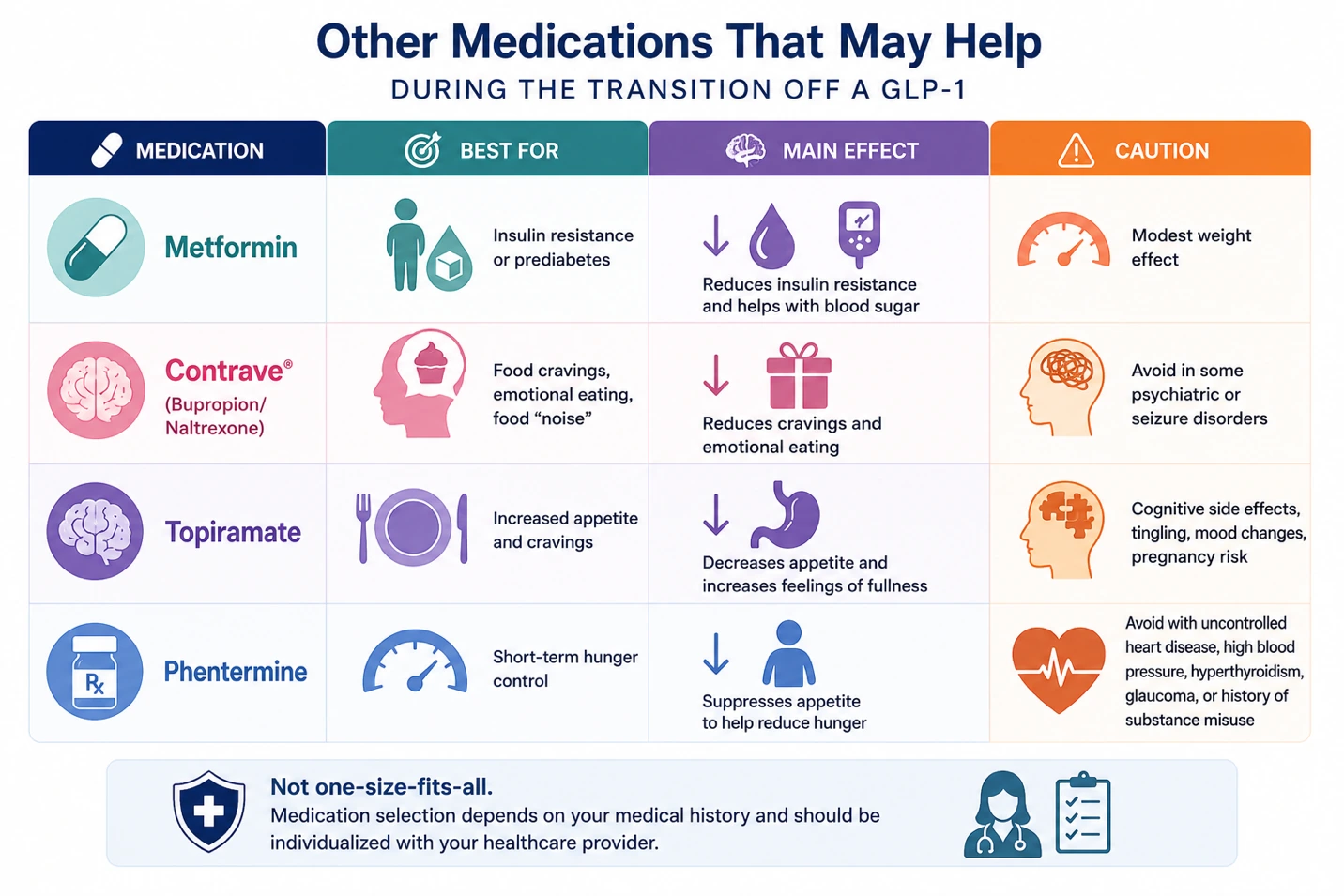
For some patients, transitioning off a GLP-1 medication doesn’t necessarily mean stopping all obesity treatment. Because obesity is a chronic disease, some individuals may benefit from another evidence-based medication to help manage appetite, insulin resistance, or food cravings during the transition.
The right approach depends on a patient’s medical history, metabolic health, weight-loss goals, and the reasons they are discontinuing their GLP-1. There is no one-size-fits-all solution, which is why these decisions should always be made in partnership with a healthcare professional.
Here are several medications that may be considered in appropriate patients.
Metformin
Metformin is most commonly used to treat type 2 diabetes and prediabetes, but it also has modest weight-maintenance benefits for some patients, particularly those with insulin resistance.
As patients lose weight and discontinue a GLP-1, insulin sensitivity may begin to worsen, especially if weight regain occurs. In these individuals, metformin may help reduce insulin resistance, improve blood sugar control, and blunt some of the metabolic rebound that can occur after stopping treatment.
While metformin generally produces much less weight loss than GLP-1 medications, it can be a useful tool in supporting long-term metabolic health in appropriately selected patients.
Bupropion/Naltrexone (Contrave®)
Some patients struggle less with physical hunger and more with food cravings, emotional eating, or obsessive thoughts about food.
In these situations, the combination of bupropion and naltrexone may be helpful. This medication works on reward pathways within the brain and can reduce food cravings, emotional eating, and the urge to seek highly rewarding foods.
For patients who notice that “food noise” rapidly returns after stopping their GLP-1, this medication may help make the transition more manageable when used as part of a comprehensive weight-management program.
Topiramate
Topiramate is another medication that may help reduce appetite and food cravings in certain patients.
Although originally developed as an anti-seizure medication and also used for migraine prevention, it has been shown to promote weight loss by decreasing appetite and increasing feelings of fullness.
Some clinicians use topiramate as part of a long-term weight-maintenance strategy, particularly for patients whose primary challenge is increased appetite after discontinuing a GLP-1.
Because topiramate can cause side effects—including cognitive slowing, tingling sensations, mood changes, and birth defects if taken during pregnancy—it should be prescribed carefully and monitored closely.
Phentermine
Phentermine is a sympathomimetic medication that suppresses appetite and may be appropriate for selected patients during the transition off a GLP-1.
For patients experiencing significant increases in hunger or fatigue after discontinuing treatment, phentermine may provide temporary appetite control while healthy lifestyle habits are being reinforced.
However, phentermine is not appropriate for everyone. Because it can increase heart rate and blood pressure, it should be avoided or used cautiously in patients with certain cardiovascular conditions, uncontrolled hypertension, hyperthyroidism, glaucoma, or a history of substance misuse. It is generally intended for short-term use and should always be prescribed under medical supervision.
Every Patient Is Different
Not every patient needs another medication after stopping a GLP-1. Some individuals successfully maintain their weight with lifestyle changes alone, while others benefit from continuing a low-dose GLP-1, tapering gradually, or transitioning to another evidence-based medication.
The most important takeaway is that stopping a GLP-1 should not be viewed as the end of obesity treatment. Instead, it marks the beginning of a new phase focused on long-term maintenance.
The goal is not simply to stop one medication—it is to develop a personalized strategy that helps maintain weight loss, preserve metabolic health, and support lifelong success.
If there’s one message I hope you take away from this article, it’s this: Weight regain after stopping a GLP-1 medication is not a personal failure. It’s biology.
For decades, we’ve told people that maintaining weight loss is simply a matter of eating less and exercising more. We now know that the story is far more complex.
When you lose weight, your body doesn’t celebrate your success—it fights to regain it. Hunger hormones increase, satiety hormones decrease, energy expenditure slows, and the brain works tirelessly to restore what it perceives as lost energy stores. These are normal physiologic responses that evolved to protect us from starvation, not evidence that you lack motivation or discipline.
GLP-1 medications temporarily help regulate these powerful biological pathways. They reduce hunger, quiet food noise, increase satiety, and make it easier to create the calorie deficit needed for weight loss. But when the medication is discontinued, those protective effects gradually diminish, allowing the body’s natural weight-defense mechanisms to re-emerge.
For some people, long-term treatment may include continued GLP-1 therapy. Others may successfully taper off their medication with structured lifestyle support. Some may benefit from transitioning to another evidence-based medication, while others will maintain their weight through nutrition, resistance training, physical activity, and ongoing follow-up alone. There is no single path that’s right for everyone.
The goal should never be to stop medication as quickly as possible.
The goal is to build a sustainable, individualized plan that supports your long-term health.
If you’re considering stopping a GLP-1 medication, don’t think of it as reaching the end of your journey. Think of it as entering a new phase—one focused not on losing weight, but on protecting everything you’ve worked so hard to achieve.
Successful weight maintenance doesn’t happen by chance. It happens through preparation, consistency, and a willingness to adapt as your body changes.
And remember: if you experience weight regain, don’t view it as a reason to give up. View it as valuable information. It simply means your body is doing what human biology has always done. The answer isn’t self-blame—it’s adjusting your treatment plan.
Obesity is a lifelong condition that deserves lifelong attention, compassion, and evidence-based care. With the right strategy, the right support, and the right expectations, long-term success is absolutely possible.
The number on the scale is only one measure of progress. Protecting your muscle, improving your metabolic health, reducing your risk of chronic disease, and building sustainable habits are equally important victories.
Your GLP-1 may have helped you lose the weight.
But your long-term plan is what will help you keep it off.
References
Aronne LJ, Sattar N, Horn DB, et al. Continued treatment with tirzepatide for maintenance of weight reduction in adults with obesity: the SURMOUNT-4 randomized clinical trial. JAMA. 2024;331(1):38-48. doi:10.1001/jama.2023.24945
Epic Research. GLP-1 Transition Trial. Epic Research. Accessed July 12, 2026.
European Association for the Study of Obesity. Is coming off semaglutide slowly the key to preventing weight regain? Published May 14, 2024. Accessed July 12, 2026.
Jastreboff AM, Aronne LJ, Ahmad NN, et al. Tirzepatide once weekly for the treatment of obesity. N Engl J Med. 2022;387(3):205-216. doi:10.1056/NEJMoa2206038
Rubino D, Abrahamsson N, Davies M, et al. Effect of continued weekly subcutaneous semaglutide vs placebo on weight loss maintenance in adults with overweight or obesity: the STEP 4 randomized clinical trial. JAMA. 2021;325(14):1414-1425. doi:10.1001/jama.2021.3224
Wilding JPH, Batterham RL, Calanna S, et al. Once-weekly semaglutide in adults with overweight or obesity. N Engl J Med. 2021;384(11):989-1002. doi:10.1056/NEJMoa2032183
Wilding JPH, Batterham RL, Davies M, et al. Weight regain and cardiometabolic effects after withdrawal of semaglutide: the STEP 1 trial extension. Diabetes Obes Metab. 2022;24(8):1553-1564. doi:10.1111/dom.14725
Zheng Y, Pan XF, Wang L, et al. Trajectories of weight regain after discontinuation of anti-obesity medications: a systematic review and meta-analysis. BMJ. 2026;388:e084654. doi:10.1136/bmj-2024-084654