
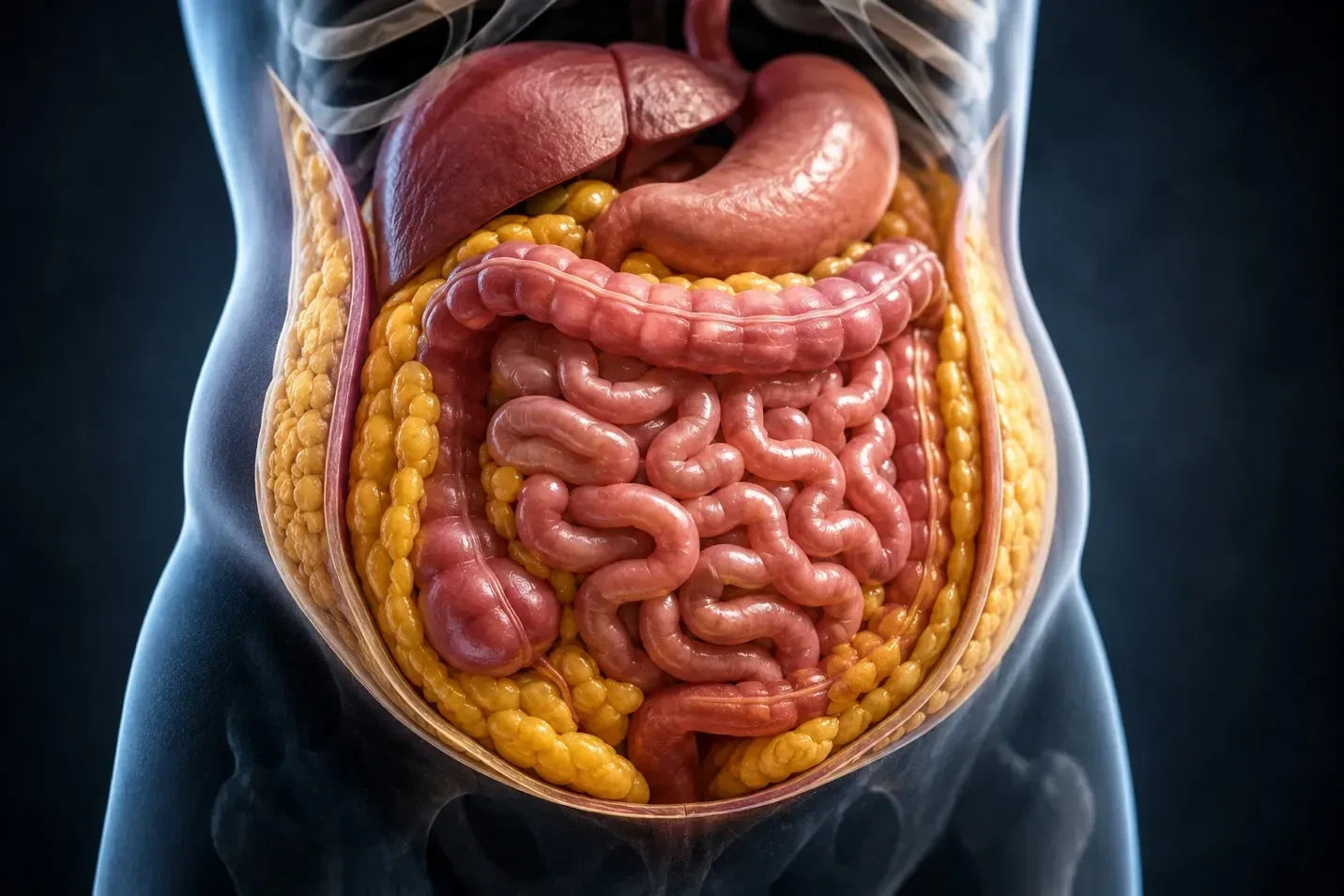
When most people think about belly fat, they think about appearance. But from a medical perspective, the fat we can see is not necessarily the fat that concerns us most.
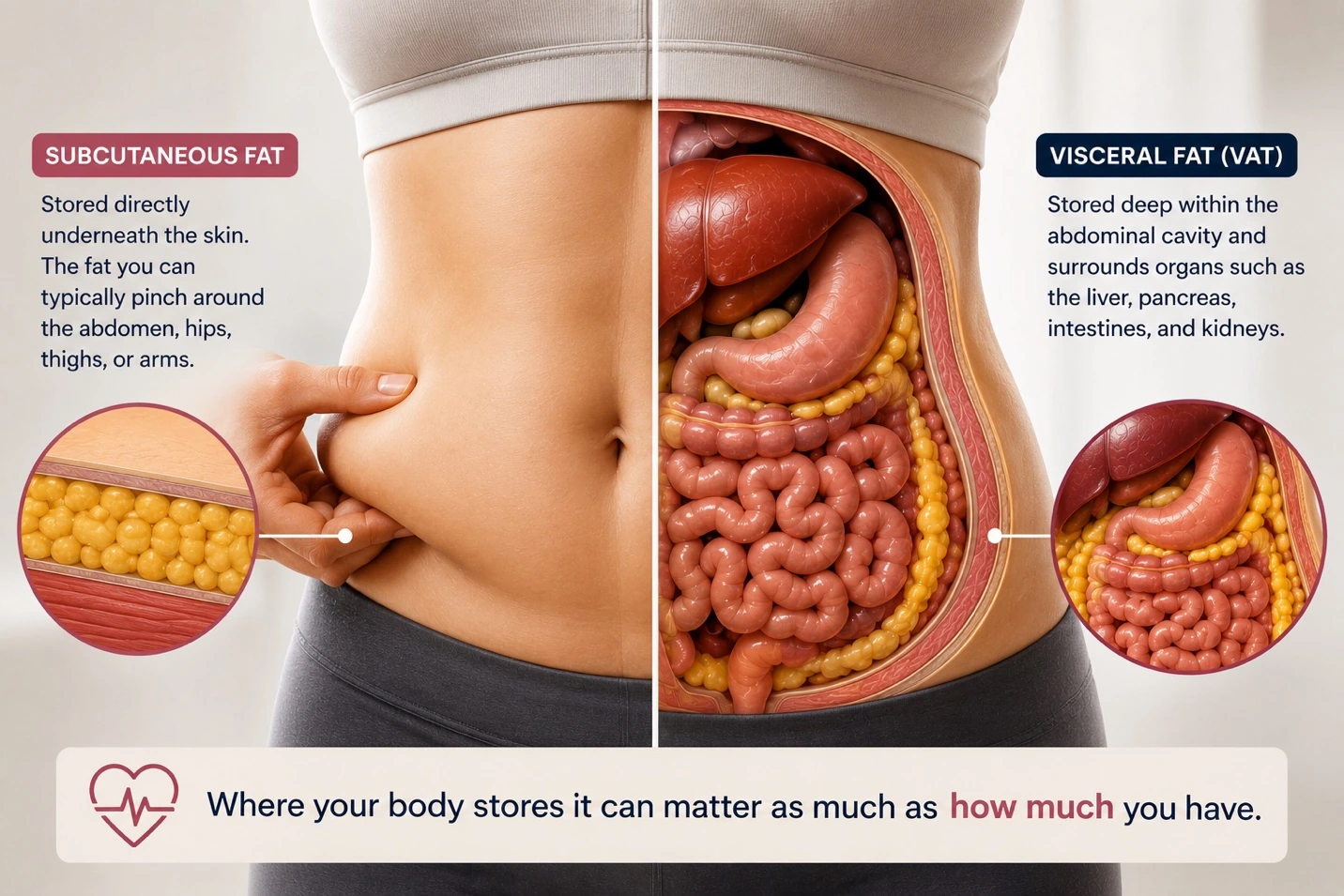
There are two major types of abdominal fat: subcutaneous fat and visceral fat. Subcutaneous adipose tissue is the fat stored directly underneath the skin—the fat you can typically pinch around the abdomen, hips, thighs, or arms. Visceral adipose tissue, or VAT, is different. It sits deeper within the abdominal cavity and surrounds organs such as the liver, pancreas, intestines, and kidneys. As I often tell patients, “Fat is not just fat. Where your body stores it can matter as much as how much you have.”
Why Visceral Fat Is Different
Visceral fat represents a relatively small percentage of our total body fat—approximately 10–20% in men and 5–10% in women—but it can have an outsized effect on metabolic health. Unlike subcutaneous fat, visceral fat is highly metabolically active, more vascularized, less insulin-sensitive, and associated with a more inflammatory profile. It releases free fatty acids and inflammatory signaling molecules that can influence glucose regulation, lipid metabolism, insulin sensitivity, and cardiovascular health.
One reason visceral fat may be particularly harmful involves its location. Visceral fat drains into the portal circulation, which carries blood directly to the liver. As a result, excess free fatty acids released from visceral fat can essentially flood the liver, increasing hepatic glucose production, worsening insulin resistance, increasing triglyceride production, and contributing to fatty liver disease.
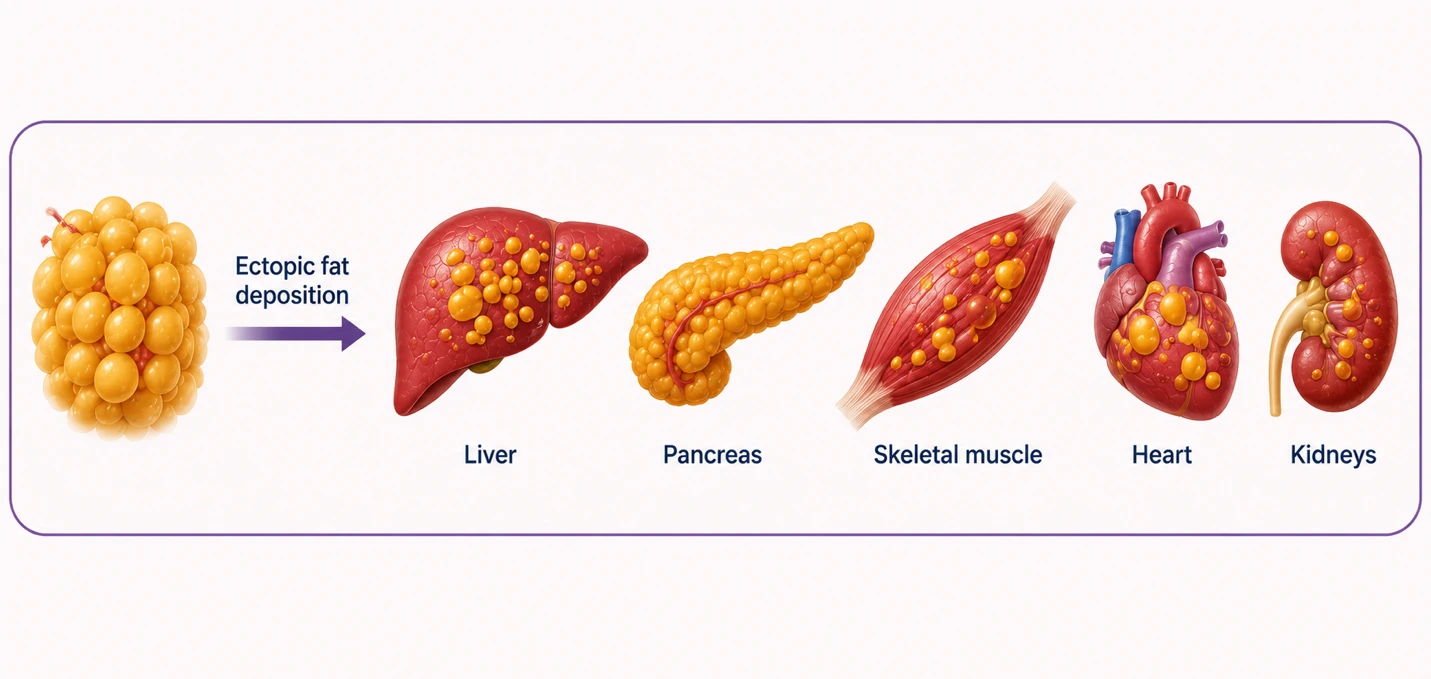
Visceral fat also functions as an endocrine organ. It produces inflammatory signaling molecules such as TNF-alpha and IL-6 and is often associated with lower levels of adiponectin, a hormone associated with better insulin sensitivity. As our ability to safely store excess energy in subcutaneous fat becomes overwhelmed or dysfunctional, fat can also begin accumulating in places where it does not belong. This is known as ectopic fat deposition, and it can occur in the liver, pancreas, skeletal muscle, heart, and kidneys.
The Framingham Heart Study provided an important demonstration of why this matters. Among more than 3,000 adults, visceral fat was more strongly associated with metabolic syndrome than subcutaneous abdominal fat at every level of BMI and waist circumference. For each standard-deviation increase in visceral fat, the odds of metabolic syndrome were approximately 4.7 times higher in women and 4.2 times higher in men. In other words, visceral fat can tell us something about metabolic risk that body weight alone cannot.
Belly Fat Is More Than a Cosmetic Issue
Excess visceral fat has been associated with type 2 diabetes, hypertension, cardiovascular disease, atherogenic dyslipidemia, metabolic dysfunction-associated fatty liver disease, insulin resistance, and chronic low-grade inflammation.
This is why reducing visceral fat isn’t simply about changing someone’s appearance. It is potentially about improving multiple pathways involved in cardiometabolic disease. And importantly, you do not necessarily have to look overweight to have excess visceral fat. There can be a two- to threefold difference in visceral fat between people with similar amounts of total body fat. Some people have a normal BMI but disproportionately high visceral fat combined with relatively low muscle mass—sometimes described as “normal-weight obesity.”
A person can therefore have a normal BMI while also having insulin resistance, elevated triglycerides, hypertension, fatty liver disease, or excess abdominal fat. Conversely, someone with a higher BMI may carry substantial muscle mass and relatively little visceral fat. Body weight does not tell us the whole story.
Why Waist Circumference Matters
One of the simplest ways to get more information about abdominal fat is to measure waist circumference. Traditional thresholds associated with increased cardiometabolic risk are approximately 40 inches, for men and 35 inches, for women, although lower thresholds are generally recommended for some Asian populations. Waist circumference can be particularly informative in people with a BMI between approximately 25 and 35 because it tells us something BMI cannot: where the weight is being carried. In clinical practice, I like waist circumference because it is inexpensive, easy to track, and can reveal meaningful metabolic progress that the scale may miss. Someone might lose only a few pounds but lose several inches from their waist while simultaneously improving visceral adiposity and insulin sensitivity.
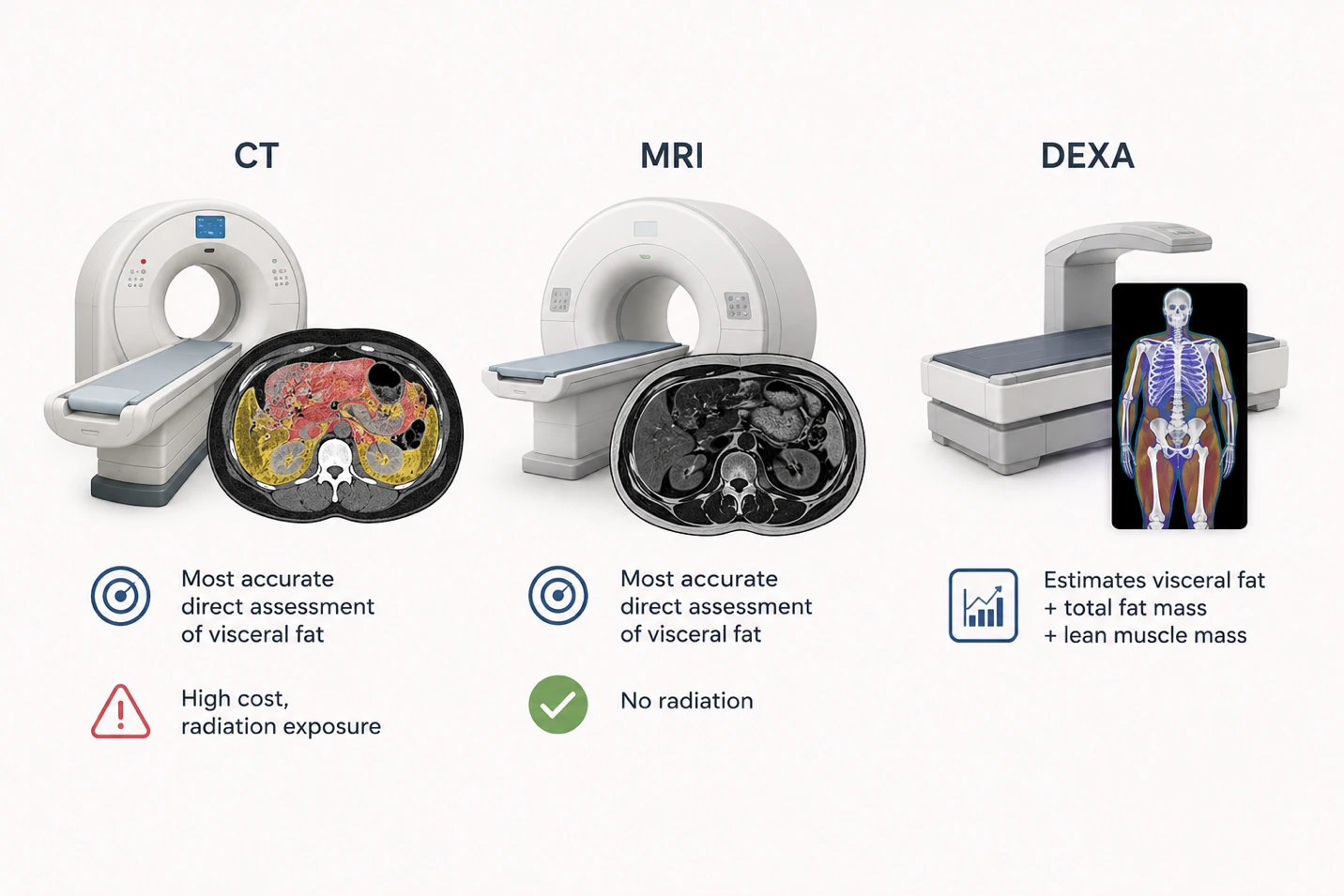
For more precise measurements, CT and MRI provide the most accurate direct assessment of visceral adipose tissue, although we generally would not order a CT solely for this purpose because of cost and radiation exposure. DEXA body-composition scans can also estimate visceral fat while providing useful information about total fat mass and lean muscle mass.
Ultimately, no single measurement should be interpreted in isolation. Waist circumference, muscle mass, blood pressure, triglycerides, glucose or A1C, liver markers, physical activity, and family history together provide a much more meaningful picture of metabolic health.
Why Visceral Fat Increases With Age
Visceral fat accumulation is influenced by genetics, aging, hormones, physical activity, nutrition, sleep, stress, and muscle mass.
Genetics clearly play a role. Research estimates that the heritability of visceral fat may be around 36%, meaning some people are genetically more likely to preferentially store fat in the abdominal region. But genetics are only one part of the equation.
As we age, we also tend to lose skeletal muscle unless we actively work to preserve it. Muscle is one of the body’s major sites for glucose disposal, so losing muscle can contribute to declining insulin sensitivity and changes in body composition.
Adipose tissue itself changes with age as well. Subcutaneous fat can become more inflamed and fibrotic and less capable of safely expanding. When it becomes less efficient at storing excess energy, fat may increasingly be redirected toward visceral and ectopic depots.
For women, the menopausal transition adds another important layer. Longitudinal research has shown that approximately two years before the final menstrual period, the rate of fat gain accelerates while lean mass begins to decline, with these changes continuing for approximately two years afterward. Declining estrogen appears to alter adipose tissue biology and fat distribution, shifting fat away from the traditional gluteofemoral pattern—the hips and thighs—and toward the abdomen and visceral compartment. Changes in sex hormone-binding globulin and relative androgen exposure may also contribute.
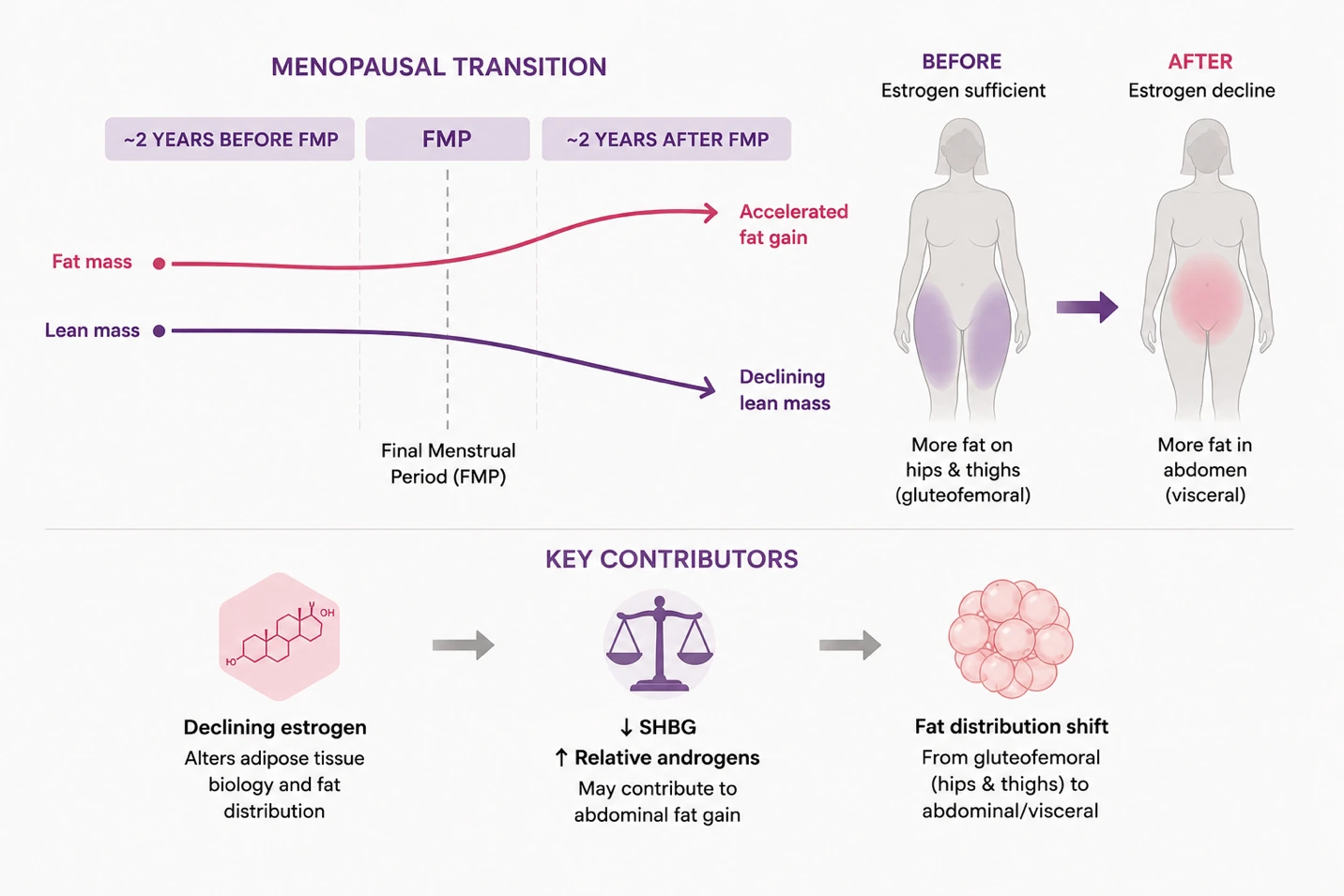
This helps explain something I hear frequently from women in their 40s and 50s: “My weight hasn’t changed that much, but suddenly my body shape has.” That can represent a genuine physiological change in body composition rather than simply a change in discipline or lifestyle.
Sleep and Stress Matter, Too
Sleep is an often-overlooked component of visceral fat accumulation. In a randomized crossover trial, participants who were restricted to approximately four hours of sleep per night for two weeks experienced preferential accumulation of visceral abdominal fat. That finding is particularly interesting because it suggests inadequate sleep may do more than simply increase hunger—it may influence how and where the body stores energy.
Chronic activation of the stress response may also contribute through the hypothalamic-pituitary-adrenal axis and cortisol signaling.
That does not mean cortisol is the sole cause of belly fat, despite what is often suggested online. But chronically poor sleep and persistent stress can affect appetite regulation, insulin sensitivity, physical activity, food choices, and potentially fat distribution. For most adults, aiming for approximately seven to eight hours of sleep whenever possible should be considered part of metabolic health—not an afterthought.
Can You Actually Lose Visceral Fat?
Although abdominal fat can become more challenging to manage with age, visceral fat remains remarkably responsive to lifestyle interventions. Exercise is one of our strongest tools.
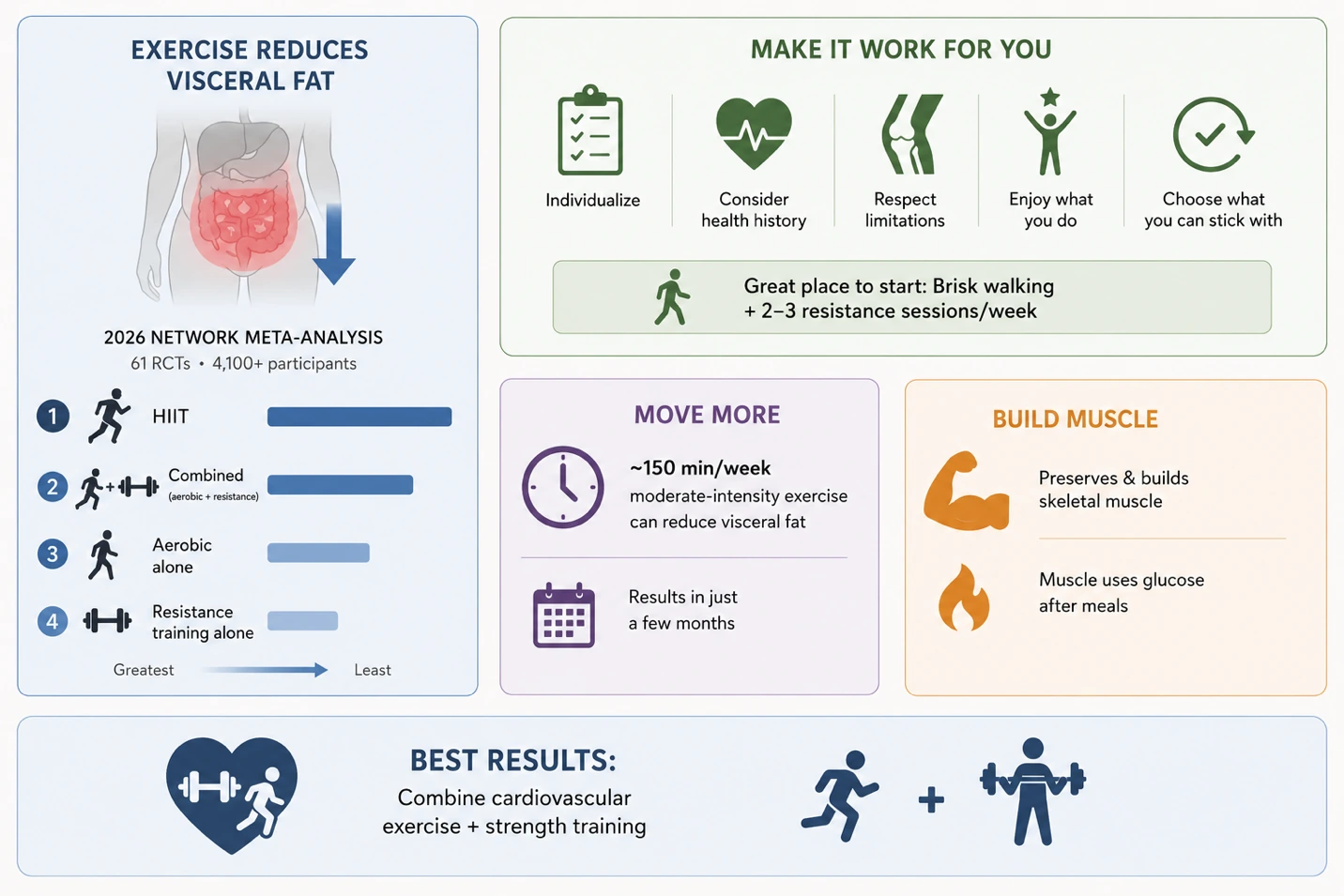
A 2026 network meta-analysis involving 61 randomized controlled trials and more than 4,100 participants compared different exercise modalities for reducing visceral fat. High-intensity interval training, or HIIT, produced the greatest average reduction, followed by combined aerobic and resistance exercise, aerobic exercise alone, and resistance training alone. That doesn’t mean everyone needs to start doing HIIT.
Exercise should be individualized based on fitness level, medical history, orthopedic limitations, preferences, and—perhaps most importantly—what someone can realistically continue doing. For many patients, brisk walking combined with two or three resistance-training sessions each week is an excellent place to start. Evidence suggests that approximately 150 minutes per week of moderate-intensity exercise can meaningfully reduce visceral fat, and studies have demonstrated reductions after only a few months of consistent walking.
Resistance training is particularly important as we age because it helps preserve and build skeletal muscle. Muscle is metabolically active tissue and one of the primary places glucose is disposed of after meals. Ideally, the goal is not to choose between cardiovascular exercise and strength training. It is to combine them.
You Can Lose Visceral Fat Without Losing Weight
This may be one of the most important concepts for patients to understand. Research has demonstrated approximately a 6% reduction in visceral fat through exercise even in the absence of overall weight loss.
How is that possible? Someone can lose visceral fat while simultaneously maintaining or gaining lean muscle. The number on the bathroom scale may barely move, while waist circumference decreases, insulin sensitivity improves, triglycerides fall, fitness increases, and body composition becomes substantially healthier. From a metabolic standpoint, that is a major success. It is also why focusing exclusively on pounds lost can sometimes give people the wrong impression about whether their efforts are working.
Nutrition Matters—but There Is No “Belly Fat-Burning” Food
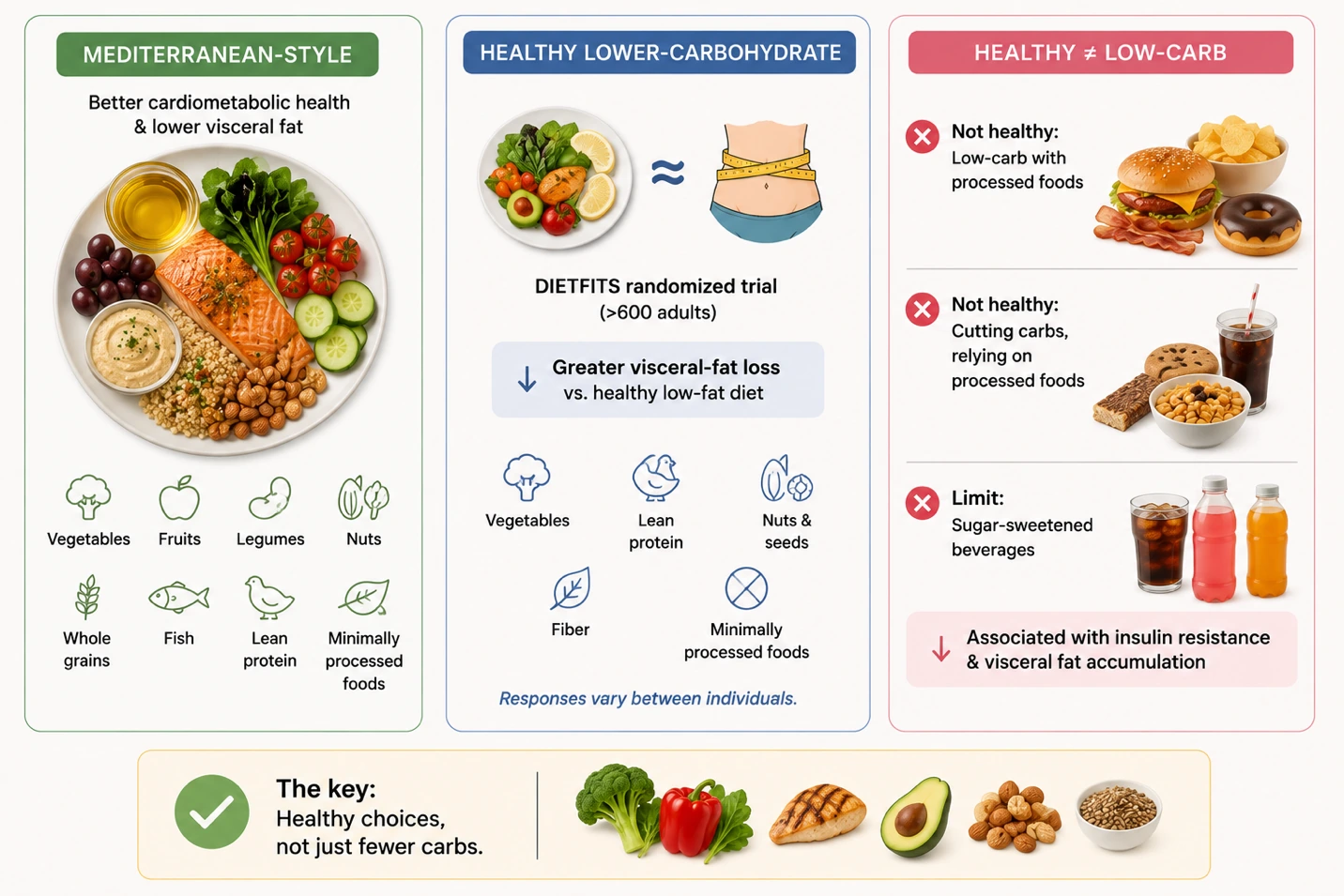
Mediterranean-style dietary patterns emphasizing vegetables, fruits, legumes, nuts, whole grains, fish, lean protein, and minimally processed foods are consistently associated with better cardiometabolic health and lower visceral adiposity. Healthy lower-carbohydrate approaches may also work well for some individuals. In the DIETFITS randomized trial, which included more than 600 adults, participants following a healthy lower-carbohydrate diet experienced somewhat greater visceral-fat loss than those following a healthy low-fat diet, although responses varied between individuals. The key word is healthy.
A lower-carbohydrate eating pattern built around vegetables, lean protein, fiber, nuts, seeds, and minimally processed foods is very different from simply removing carbohydrates while relying heavily on processed foods. Sugar-sweetened beverages are another area worth addressing because regular consumption has been associated with insulin resistance and visceral fat accumulation.
Think Beyond the Scale
Perhaps the biggest misconception about visceral fat is that it is simply a cosmetic problem. It isn’t.
Visceral fat is metabolically active tissue, and when present in excess, it is associated with insulin resistance, inflammation, fatty liver disease, type 2 diabetes, and cardiovascular disease. But another misconception can be equally harmful: assuming that success is defined entirely by the number on the scale.
The evidence tells us otherwise. People can reduce visceral fat, improve insulin sensitivity, preserve or gain muscle, become more physically fit, and substantially improve their cardiometabolic health without dramatic changes in body weight.
That is why I encourage patients to ask more than: “How many pounds did I lose?”
A better question may be: “Am I becoming metabolically healthier?”
References:
Abe T, Song JS, Bell ZW, et al. Comparisons of calorie restriction and structured exercise on reductions in visceral and abdominal subcutaneous adipose tissue: a systematic review. Eur J Clin Nutr. 2022;76(7):973-981.
Abildgaard J, Ploug T, Al-Saoudi E, et al. Changes in abdominal subcutaneous adipose tissue phenotype following menopause is associated with increased visceral fat mass. Sci Rep. 2021;11(1):14750.
Björntorp P. Do stress reactions cause abdominal obesity and comorbidities? Obes Rev. 2001;2(2):73-86.
Chang Y, Wang L, Wang H, Zhan E. Unveiling the perfect workout: exercise modalities and dosages to combat visceral adipose tissue in individuals with overweight and obesity — a systematic review with pairwise, network, and dose-response meta-analyses. Nutr Metab (Lond). 2026.
Cornier MA, Després JP, Davis N, et al. Assessing adiposity: a scientific statement from the American Heart Association. Circulation. 2011;124(18):1996-2019.
Covassin N, Singh P, McCrady-Spitzer SK, et al. Effects of experimental sleep restriction on energy intake, energy expenditure, and visceral obesity. J Am Coll Cardiol. 2022;79(13):1254-1265.
Després JP, Carpentier AC, Tchernof A, Neeland IJ, Poirier P. Management of obesity in cardiovascular practice: JACC Focus Seminar. J Am Coll Cardiol. 2021;78(5):513-531.
El Khoudary SR, Aggarwal B, Beckie TM, et al. Menopause transition and cardiovascular disease risk: implications for timing of early prevention: a scientific statement from the American Heart Association. Circulation. 2020;142(25):e506-e532.
Follis S, Landry MJ, Cunanan KM, et al. Effect of low-carbohydrate vs low-fat diet intervention on visceral fat estimated from dual energy x-ray absorptiometry in a 12-month randomized controlled trial. Int J Obes (Lond). 2026.
Fox CS, Massaro JM, Hoffmann U, et al. Abdominal visceral and subcutaneous adipose tissue compartments: association with metabolic risk factors in the Framingham Heart Study. Circulation. 2007;116(1):39-48.
Guldan M, Ozbek L, Abdel-Rahman SM, et al. Targeting visceral and ectopic adiposity: pharmacological and surgical interventions beyond global weight loss. Diabetes Obes Metab. 2025.
Harris MB, Kuo CH. Scientific challenges on theory of fat burning by exercise. Front Physiol. 2021;12:237.
Hu H, Wang G, Liang Y, et al. Spatiotemporal burden, risk factors, and genetic causality of non-alcoholic fatty liver disease and type 2 diabetes mellitus comorbidity in Europe: a multi-database analysis. Diabetes Obes Metab. 2026.
Jiménez-Ten Hoevel C, Besora-Moreno M, Queral J, et al. Ultrasound and MRI abdominal fat distribution and its associations with metabolic conditions in adults with abdominal obesity. Diabetes Obes Metab. 2026.
Kostek MA, Pescatello LS, Seip RL, et al. Subcutaneous fat alterations resulting from an upper-body resistance training program. Med Sci Sports Exerc. 2007;39(7):1177-1185.
Kuo CH, Harris MB. Abdominal fat reducing outcome of exercise training: fat burning or hydrocarbon source redistribution? Can J Physiol Pharmacol. 2016;94(7):695-698.
Lee MJ, Kim J. The pathophysiology of visceral adipose tissues in cardiometabolic diseases. Biochem Pharmacol. 2024;222:116116.
Management of Adult Overweight and Obesity (OBE). VA/DoD Clinical Practice Guideline. 2025.
Nappi RE, Chedraui P, Lambrinoudaki I, Simoncini T. Menopause: a cardiometabolic transition. Lancet Diabetes Endocrinol. 2022;10(6):442-456.
Nilaweera KN, Cotter PD. Can dietary proteins selectively reduce either the visceral or subcutaneous adipose tissues? Obes Rev. 2023;24(4):e13555.
Powell-Wiley TM, Poirier P, Burke LE, et al. Obesity and cardiovascular disease: a scientific statement from the American Heart Association. Circulation. 2021;143(21):e984-e1010.
Rutters F, Nieuwenhuizen AG, Lemmens SG, Born JM, Westerterp-Plantenga MS. Hypothalamic-pituitary-adrenal (HPA) axis functioning in relation to body fat distribution. Clin Endocrinol (Oxf). 2010;72(6):738-743.
U-Din M, Ahmed BA, Syed SA, et al. Characteristics of abdominal visceral adipose tissue, metabolic health and the gut microbiome in adults. J Clin Endocrinol Metab. 2024;109(3):e1247-e1257.
Zsido RG, Heinrich M, Slavich GM, et al. Association of estradiol and visceral fat with structural brain networks and memory performance in adults.