
For many years, we were taught that hormone therapy was dangerous for the heart because of the initial Women’s Health Initiative study. However, what we’ve learned over the last two decades is that the story is much more nuanced. When you really look at the evidence, it suggests that hormone therapy can actually be cardiovascularly favorable in the right patient, at the right time, using the right formulation. The biggest determinant isn’t simply whether a woman takes estrogen—it’s actually when she starts it.
Women who begin hormone therapy before age 60 or within about 10 years of menopause appear to experience very different cardiovascular effects than women who start much later. This concept is known as the timing hypothesis, and it’s one of the biggest shifts in menopause medicine over the past twenty years.”
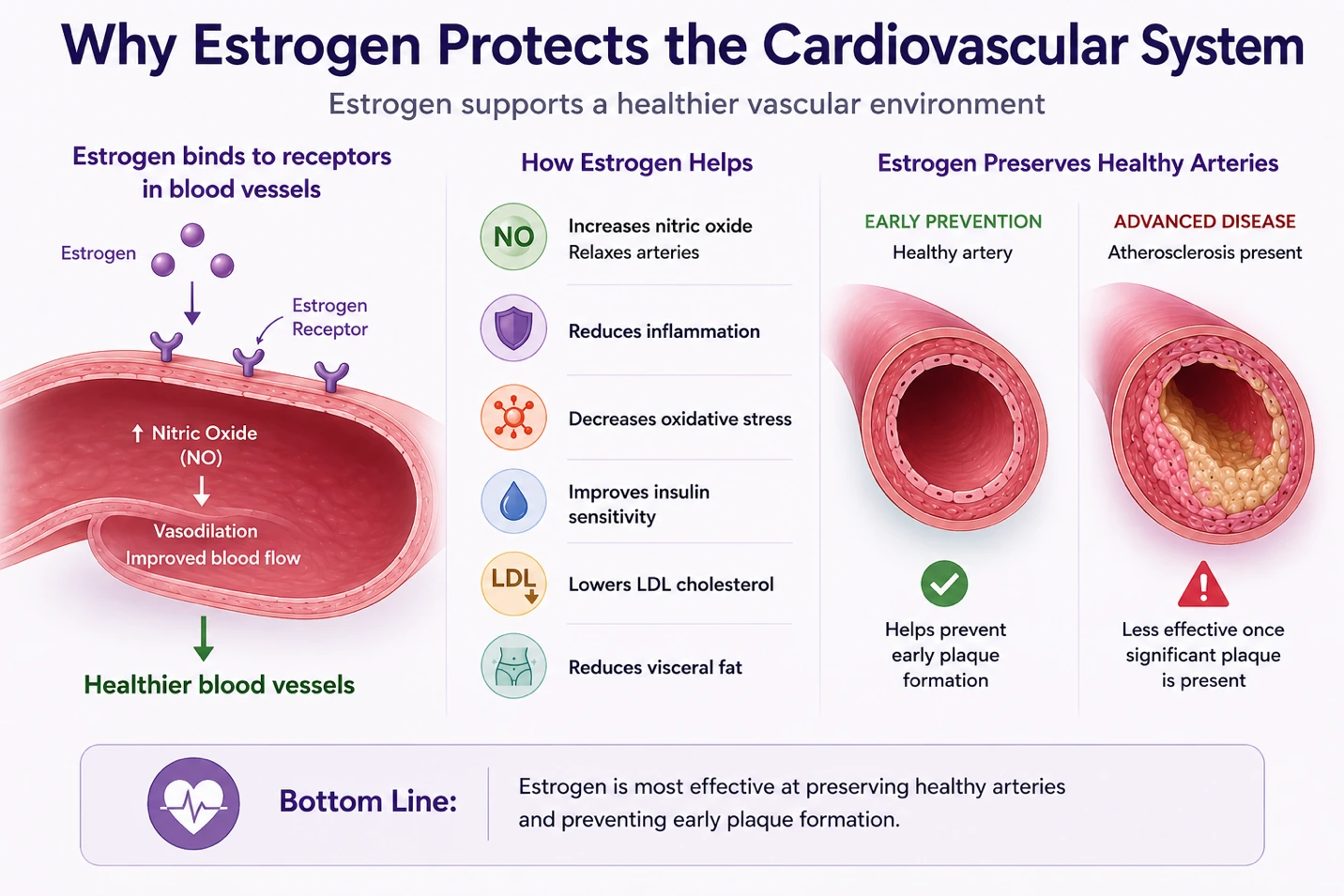
To understand this we have to be able to answer the question of why would estrogen protect the cardiovascular system? Estrogen receptors are found throughout our blood vessels. When estrogen binds to these receptors, it stimulates nitric oxide production, which relaxes arteries and improves endothelial function. It also reduces inflammation, decreases oxidative stress, improves insulin sensitivity, lowers LDL cholesterol, and helps reduce visceral fat accumulation. All of these effects create a healthier vascular environment.
The important point is that estrogen appears to preserve healthy arteries. It seems much better at preventing early plaque formation than reversing plaque that has already developed. Once significant atherosclerosis is present, the benefit becomes much less predictable.”
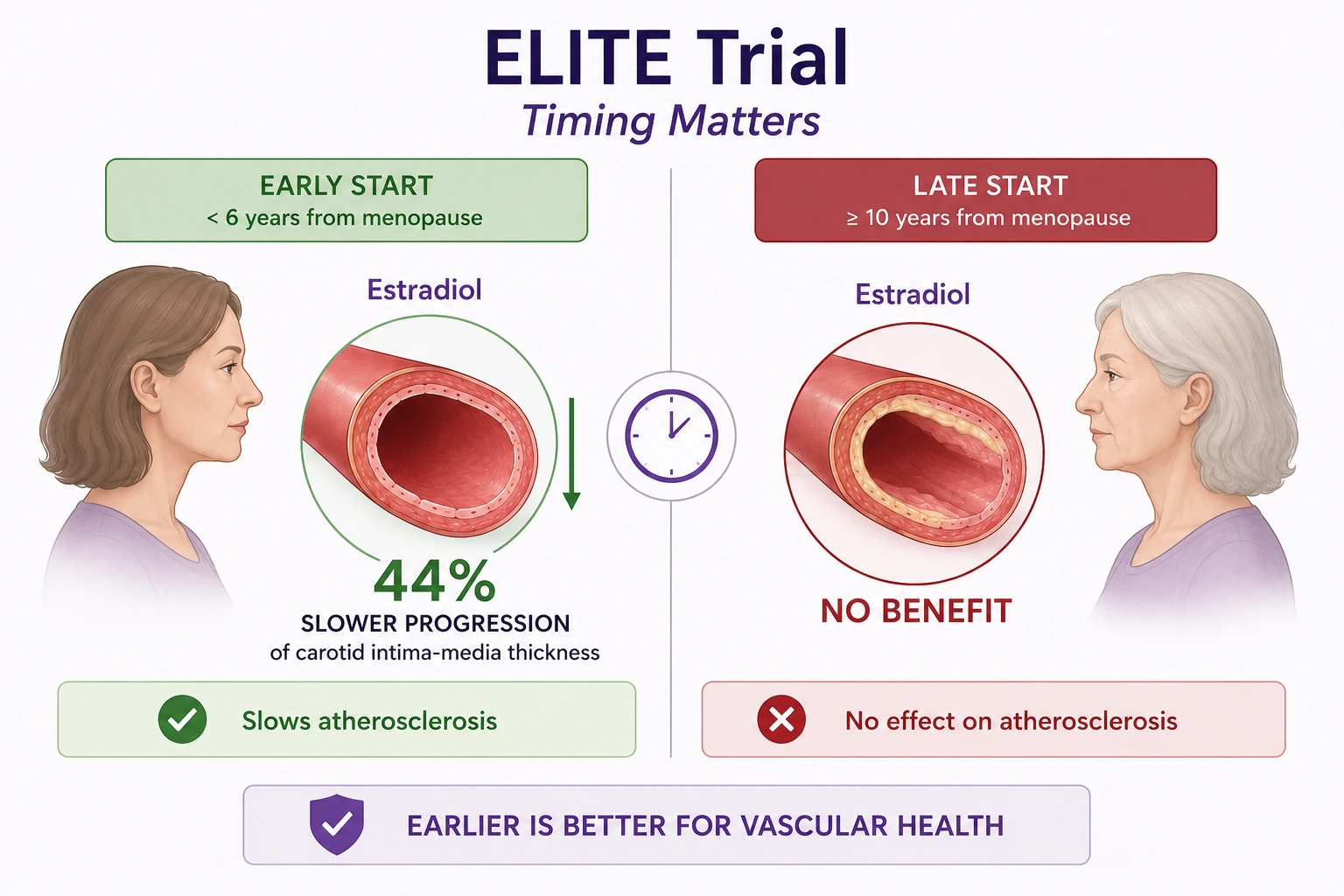
The ELITE trial directly tested the timing hypothesis. In the study, researchers divided women into two groups. One group started estradiol within six years of menopause, while the other started more than ten years after menopause. Among women who started early, estradiol significantly slowed progression of carotid intima-media thickness, which is an ultrasound marker of early atherosclerosis. The progression of plaque was approximately forty-four percent slower than placebo. Interestingly, when women started hormone therapy more than ten years after menopause, there was essentially no benefit. This was one of the first randomized trials to show that timing truly matters.
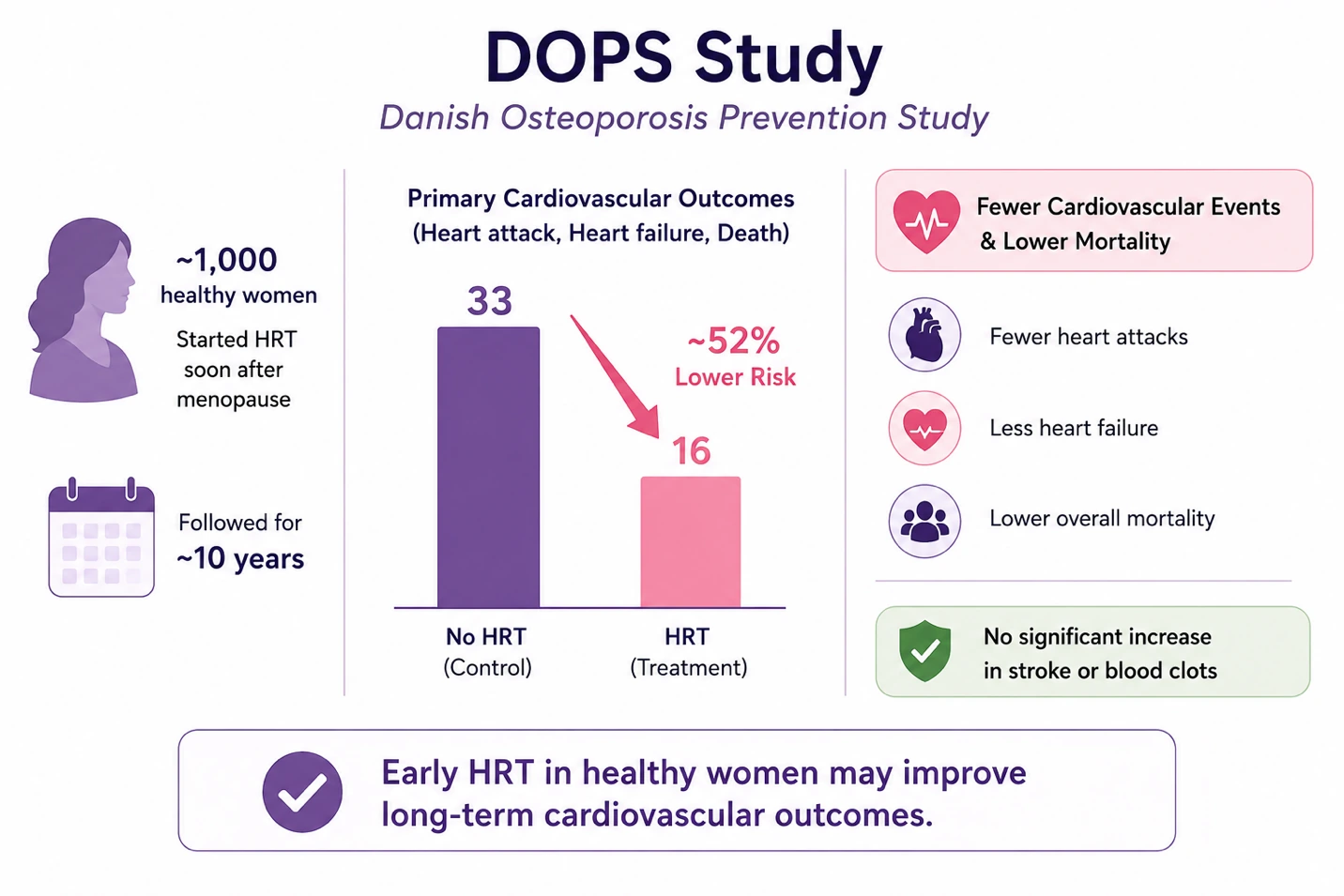
Another landmark study is the Danish Osteoporosis Prevention Study, or DOPS. This trial followed nearly one thousand healthy women who began hormone therapy shortly after menopause. After about ten years, women taking hormone therapy had approximately half the number of cardiovascular events compared with women who did not receive treatment. Specifically, there were fewer heart attacks, less heart failure, and lower overall mortality. Perhaps equally important, this reduction occurred without a significant increase in stroke or blood clots in this relatively young population. This study suggested that when hormone therapy is started early in healthy women, it may actually improve long-term cardiovascular outcomes.
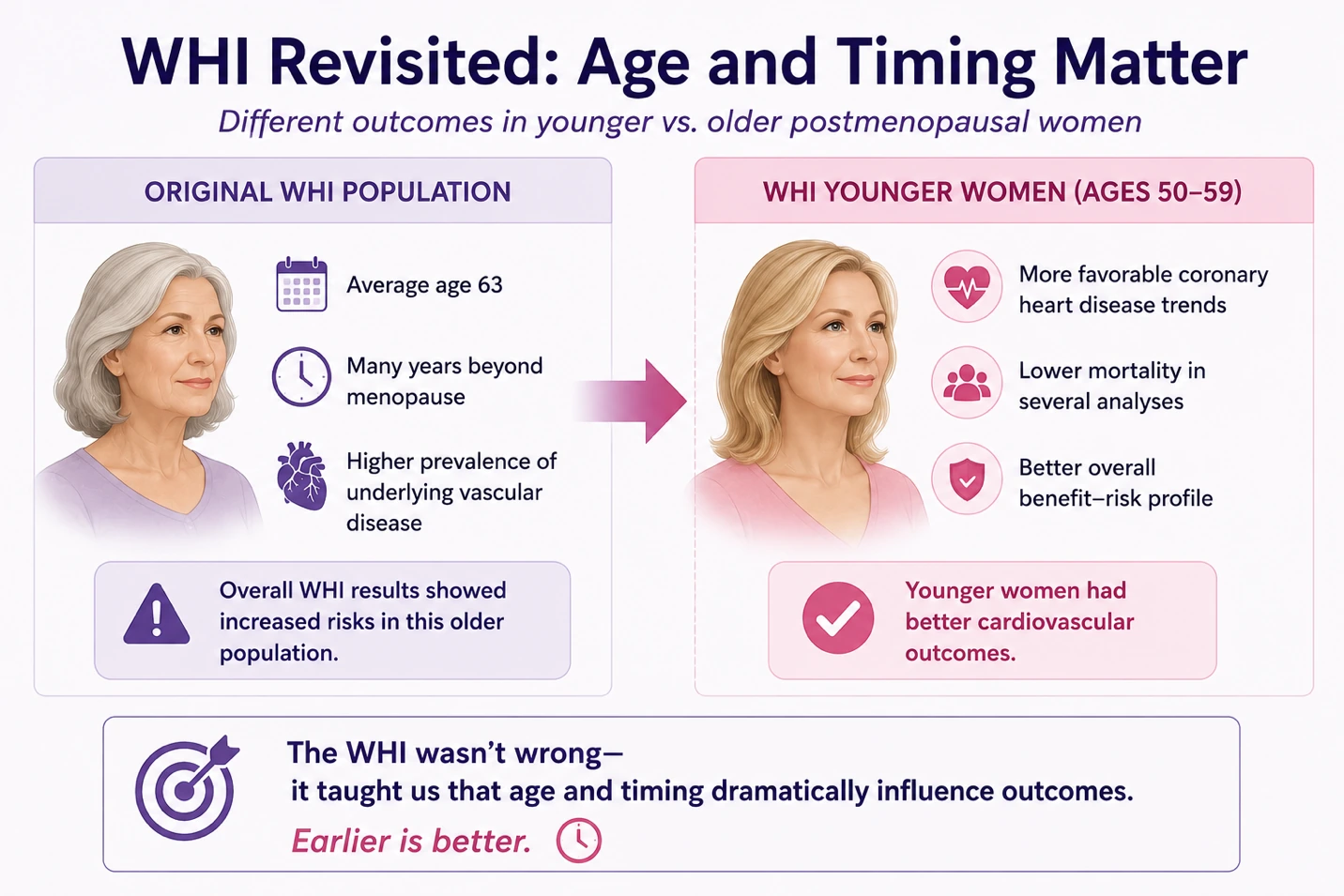
The Women’s Health Initiative study completed in 2003 was noted to have an average participant age of 63 years old—well beyond menopause—and many women as a result already had underlying vascular disease. When investigators later analyzed the younger women separately, a very different picture emerged. Women between the ages of fifty and fifty-nine demonstrated more favorable coronary heart disease trends, lower mortality in several analyses, and overall a better benefit-risk profile than older women. In other words, the WHI wasn’t wrong—it simply taught us that age and timing dramatically influence outcomes.”
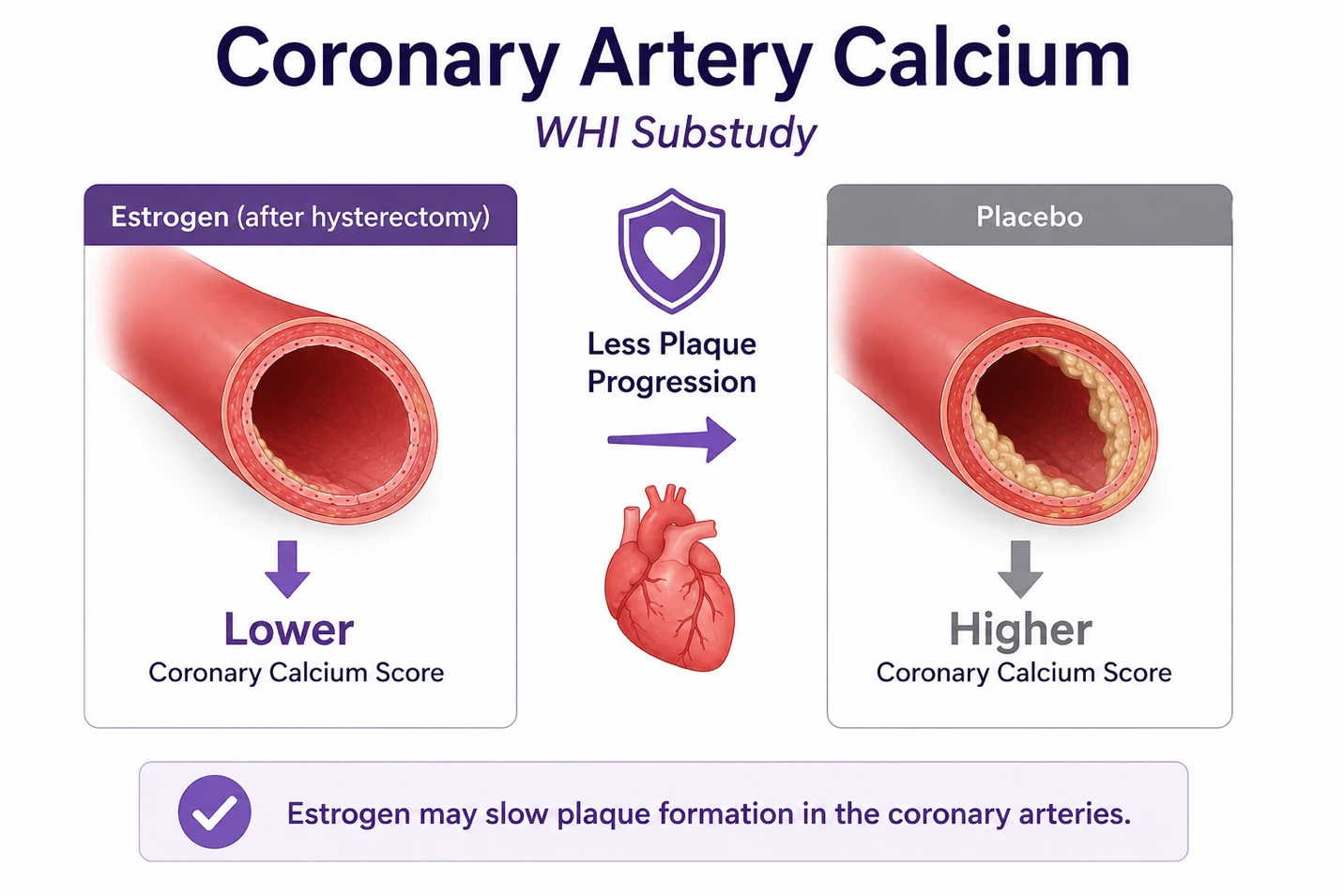
One particularly interesting WHI substudy looked at coronary artery calcium. Coronary calcium is one of our strongest predictors of future heart disease because it reflects the burden of plaque in the main arteries of the heart. Women who received estrogen after hysterectomy had significantly lower coronary calcium scores than women receiving placebo. This suggests estrogen wasn’t simply improving laboratory numbers—it may actually have slowed plaque formation inside the coronary arteries. That’s a very compelling biologic finding.”
When researchers combine multiple randomized trials together, the results become even more interesting. In these meta-analyses they consistently show that women who begin hormone therapy before age sixty or within ten years of menopause have lower all-cause mortality and lower cardiovascular mortality compared with women who start later. Now, not every study shows exactly the same magnitude of benefit, but the overall trend has been remarkably consistent. Again, timing appears to be the key.
So let’s summarize the timing hypothesis. When hormone therapy is started early, estrogen appears to preserve endothelial function, slow atherosclerosis, improve vascular health, and possibly reduce cardiovascular events. However, when estrogen is first introduced after decades of estrogen deficiency, once significant plaque has already developed, those protective effects largely disappear. I often tell patients that estrogen is much better at helping maintain healthy arteries than trying to repair arteries that have already become diseased.”
The next question is whether all estrogen is the same. The answer is probably no.
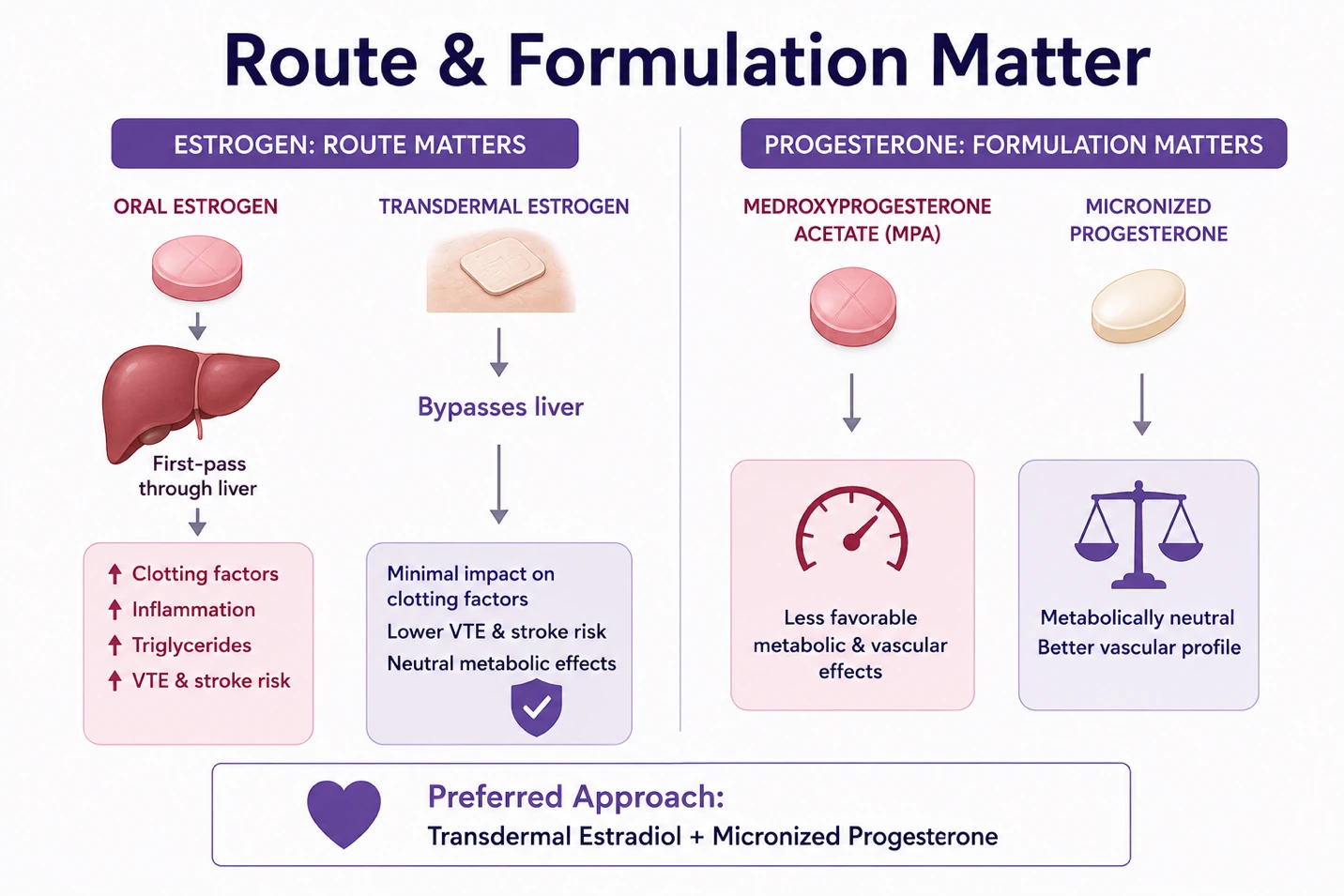
Oral estrogen passes through the liver before reaching the circulation. During that first-pass metabolism, it increases clotting factors, inflammatory proteins, and triglycerides. Transdermal estrogen bypasses the liver entirely. Because of this, transdermal estradiol has much less impact on coagulation factors and is associated with a lower risk of venous thromboembolism and possibly stroke. Similarly, micronized progesterone appears metabolically more neutral than medroxyprogesterone acetate, which was the progestin used in the original WHI. This is one reason why many menopause specialists today favor transdermal estradiol combined with micronized progesterone whenever appropriate.
So you might be wondering who is the ideal cardiovascular candidate for hormone therapy?
Generally, we’re talking about healthy symptomatic women who are younger than sixty years old, within ten years of menopause, and who do not have established cardiovascular disease, previous stroke, or a history of venous thromboembolism. Before prescribing hormone therapy, we still assess blood pressure, cholesterol, diabetes risk, smoking history, family history, and overall cardiovascular risk. Hormone therapy is always individualized. It’s never one-size-fits-all.”
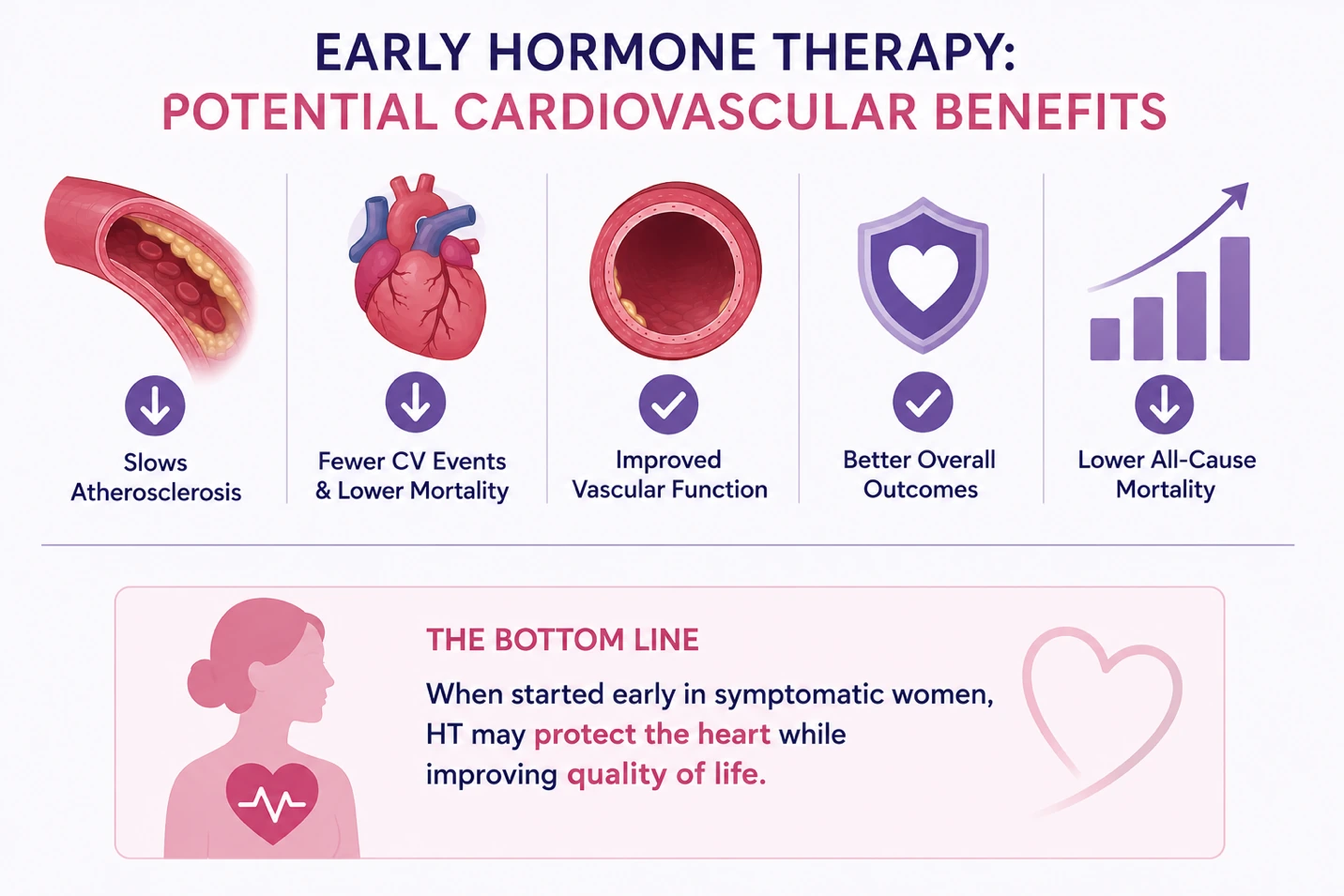
Putting all of this evidence together, we now have multiple randomized trials and long-term follow-up studies suggesting that hormone therapy started early after menopause may slow atherosclerosis, reduce coronary plaque formation, improve vascular function, and possibly lower cardiovascular and all-cause mortality. At the same time, it’s important to remain evidence-based. Major societies still do not recommend prescribing hormone therapy solely to prevent cardiovascular disease. Instead, cardiovascular benefit should be viewed as an additional advantage when treating symptomatic women who are already appropriate candidates for hormone therapy.
I’d like to leave you with one final thought.
For a healthy woman in her early fifties who is within ten years of menopause and experiencing bothersome symptoms, today’s evidence suggests that appropriately prescribed menopausal hormone therapy—particularly transdermal estradiol combined with micronized progesterone—may do more than relieve hot flashes. It may help preserve vascular health, slow the development of atherosclerosis, and improve long-term cardiovascular outcomes. This is preventative medicine and needs to be talked about more.
For too long, menopause care has focused on treating symptoms. But perhaps we’ve been asking the wrong question. Instead of asking, ‘How can we help women survive menopause?’ we should be asking, ‘How can we help women thrive for the next 30 to 40 years of their lives?’
That’s the future of menopause medicine—not simply symptom management, but prevention, longevity, and helping women remain healthy, active, and independent for decades to come.
References:
Boardman HMP, Hartley L, Eisinga A, et al. Hormone therapy for preventing cardiovascular disease in post-menopausal women. Cochrane Database Syst Rev. 2015;(3):CD002229. doi:10.1002/14651858.CD002229.pub4.
Clarkson TB, Meléndez GC, Appt SE. Timing hypothesis for postmenopausal hormone therapy: its origin, current status, and future. Menopause. 2013;20(3):342-353. doi:10.1097/GME.0b013e3182843aad.
Harman SM, Brinton EA, Cedars M, et al. KEEPS: The Kronos Early Estrogen Prevention Study. Climacteric. 2005;8(1):3-12. doi:10.1080/13697130500042417.
Hodis HN, Mack WJ, Henderson VW, et al. Vascular effects of early versus late postmenopausal treatment with estradiol. N Engl J Med. 2016;374(13):1221-1231. doi:10.1056/NEJMoa1505241.
Løkkegaard E, Andreasen AH, Jacobsen RK, Nielsen LH, Agger C, Lidegaard Ø. Hormone therapy and risk of myocardial infarction: a national register study. Eur Heart J. 2008;29(21):2660-2668. doi:10.1093/eurheartj/ehn427.
Manson JE, Aragaki AK, Rossouw JE, et al. Menopausal hormone therapy and long-term all-cause and cause-specific mortality: the Women’s Health Initiative randomized trials. JAMA. 2017;318(10):927-938. doi:10.1001/jama.2017.11217.
Manson JE, Chlebowski RT, Stefanick ML, et al. Menopausal hormone therapy and health outcomes during the intervention and extended poststopping phases of the Women’s Health Initiative randomized trials. JAMA. 2013;310(13):1353-1368. doi:10.1001/jama.2013.278040.
Mikkola TS, Savolainen-Peltonen H, Tuomikoski P, et al. Reduced risk of coronary heart disease mortality in women using postmenopausal hormone therapy. Menopause. 2015;22(9):976-983. doi:10.1097/GME.0000000000000450.
North American Menopause Society. The 2022 hormone therapy position statement of The North American Menopause Society. Menopause. 2022;29(7):767-794. doi:10.1097/GME.0000000000002028.
Rossouw JE, Anderson GL, Prentice RL, et al. Risks and benefits of estrogen plus progestin in healthy postmenopausal women: principal results from the Women’s Health Initiative randomized controlled trial. JAMA. 2002;288(3):321-333. doi:10.1001/jama.288.3.321.
Rossouw JE, Prentice RL, Manson JE, et al. Postmenopausal hormone therapy and risk of cardiovascular disease by age and years since menopause. JAMA. 2007;297(13):1465-1477. doi:10.1001/jama.297.13.1465.
Salpeter SR, Walsh JME, Greyber E, Ormiston TM, Salpeter EE. Mortality associated with hormone replacement therapy in younger and older women: a meta-analysis. J Gen Intern Med. 2004;19(7):791-804. doi:10.1111/j.1525-1497.2004.30281.x.
Schierbeck LL, Rejnmark L, Tofteng CL, et al. Effect of hormone replacement therapy on cardiovascular events in recently postmenopausal women: randomized trial (DOPS). BMJ. 2012;345:e6409. doi:10.1136/bmj.e6409.
Writing Group for the Women’s Health Initiative Investigators. Risks and benefits of estrogen plus progestin in healthy postmenopausal women: principal results from the Women’s Health Initiative randomized controlled trial. JAMA. 2002;288(3):321-333. doi:10.1001/jama.288.3.321.